
Link reclamation is the process of recovering lost or broken backlinks that once pointed to your website. Instead of focusing exclusively on acquiring new links, link reclamation helps preserve existing “link equity” that may have been lost due to technical issues, site changes, or editorial updates.
Because backlinks remain a core ranking signal, reclaiming them can directly protect and improve organic visibility without the higher cost and effort of net-new link building. This guide explains how link reclamation works step by step, why it matters for SEO, and how to prioritize reclamation opportunities for maximum impact.
What Is Link Reclamation?
Link reclamation refers to identifying backlinks that no longer pass value to your site and taking action to restore them. These links may be broken, removed, or point to outdated URLs, resulting in lost authority and traffic.
Reclamation typically involves three categories of links. The first is broken external links that point to pages returning 404 errors. The second is lost backlinks that were removed or altered by the referring site. The third is internal broken links, which do not directly affect external authority but still waste crawl budget and internal link equity. Each type requires a slightly different approach, but all contribute to preserving SEO value.
Step 1: Identify Lost and Broken Links
The reclamation process begins with identifying which links are no longer functioning. SEO tools such as Google Search Console, Ahrefs, Semrush, Moz, and Screaming Frog allow you to detect lost backlinks, crawl errors, and links pointing to non-existent URLs.
Most tools allow exporting lost link data, including referring URLs, anchor text, and target pages. Organizing this information in a spreadsheet or project tracker helps prioritize opportunities and track progress systematically.
Step 2: Diagnose Why Links Were Lost
Not all lost links disappear for the same reason. Some links break because the referring page was deleted or redirected. Others fail because your site changed URLs during a migration, HTTPS switch, or content restructure without proper redirects.
In some cases, editors intentionally remove links due to outdated content or editorial revisions. Reviewing the linking page manually and checking historical versions using web archive tools can clarify whether the loss was technical or editorial, which determines the appropriate fix.
Step 3: Choose the Best Fix
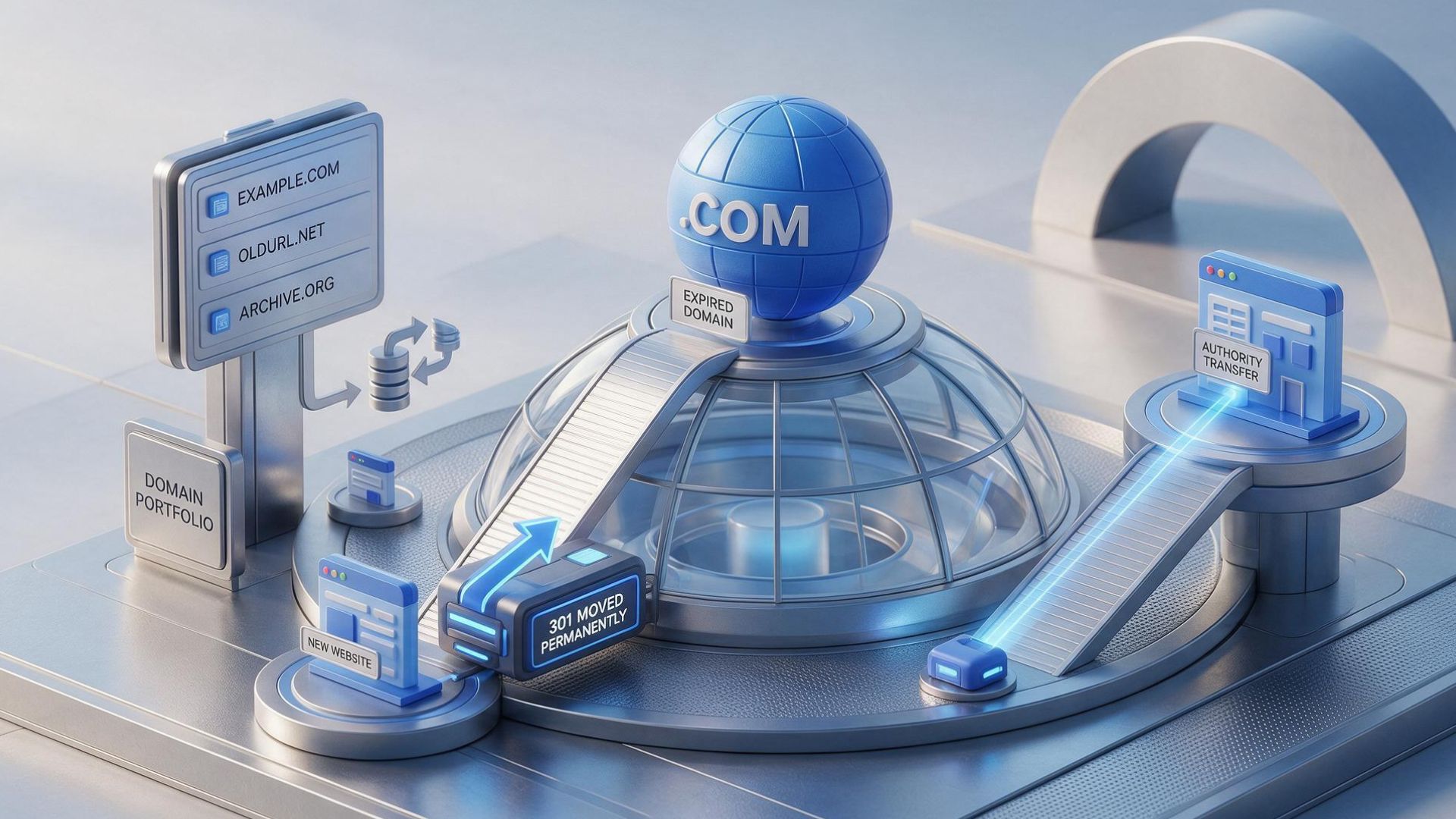
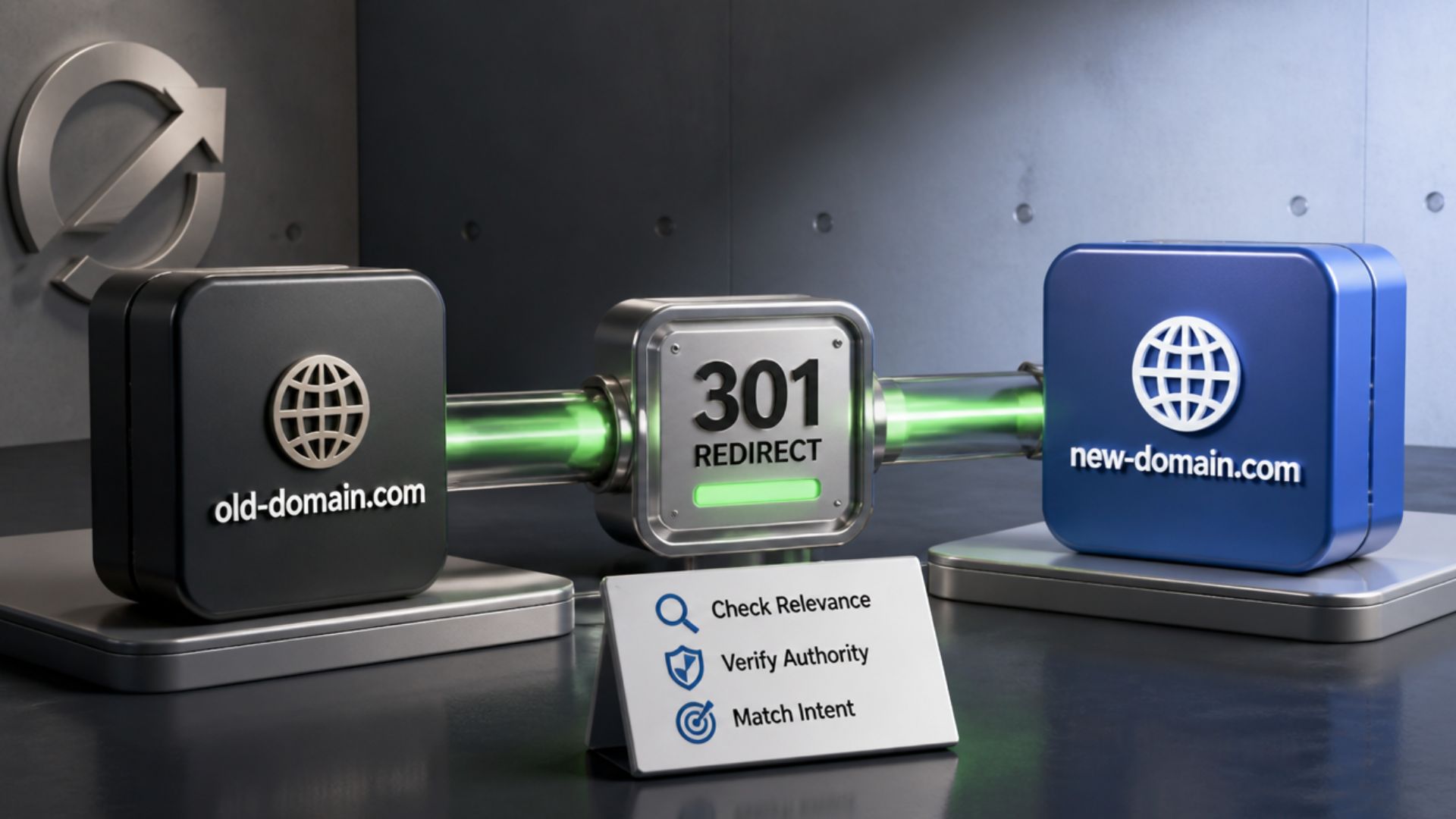
Once the root cause of a lost link is identified, the next step is selecting the most effective remedy. Technical fixes apply when the issue originates on your own site, such as restoring a removed page, updating thin or outdated content, or implementing a 301 redirect from a dead URL to a closely related live page. In some cases, teams even buy domains for 301 redirect purposes to consolidate relevant link equity from defunct but thematically aligned properties.

Outreach becomes necessary when the issue exists on the referring site. Here, the objective is to help editors correct broken links or update outdated URLs with the most relevant current page on your site. This method preserves the original editorial intent while restoring lost authority and improving user experience.
Step 4: Outreach for Link Reclamation
Successful reclamation outreach focuses on usability rather than SEO. The most effective emails are short, polite, and clearly explain that a broken or outdated link affects the reader’s experience.
Identifying the correct contact, such as an editor, webmaster, or content manager, can significantly improve response rates. One or two follow-ups are typically sufficient; excessive follow-ups can reduce goodwill and response likelihood.
Why Link Reclamation Matters for SEO
Backlinks are not permanent assets. Over time, links are removed, URLs change, and pages are deleted, gradually weakening a site’s authority and reducing its ability to rank, attract crawlers, and generate referral traffic. Even high-quality websites experience steady link loss as publishers update content, redesign sites, or clean up outdated resources.
Link reclamation addresses this erosion by recovering link equity that was already earned. Because these links were originally placed editorially and within relevant content, reclaiming them is often more efficient than acquiring new links from scratch.
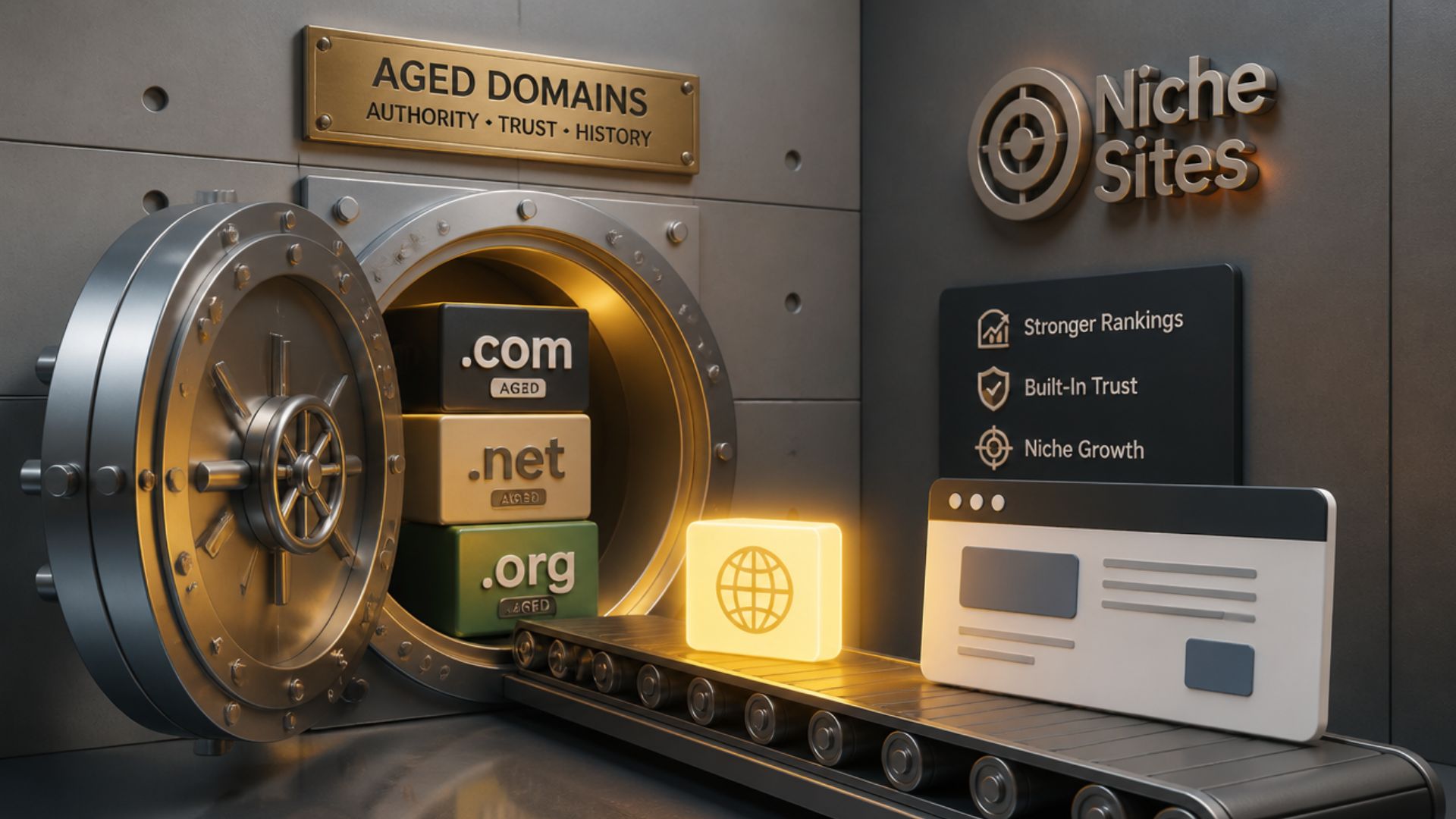
A similar principle applies when leveraging existing digital assets. At Pagewoo, you can purchase SEO domains that already carry backlink history, where preserving and restoring link value is critical to maintaining long-term SEO performance. In practice, reclaiming authoritative links frequently leads to faster ranking recovery and more stable results than relying solely on new link building.
Prioritizing Which Links to Reclaim First
Not all lost links deserve equal effort. High-priority reclamation targets are links from authoritative domains, pages with strong topical relevance, and URLs that historically drove traffic or rankings. Focusing first on high-value links ensures that limited outreach and development resources produce measurable SEO gains. Lower-impact links can be addressed later or deprioritized entirely if the recovery effort outweighs potential benefit.
Preventing Future Link Loss
Prevention is a critical part of a sustainable reclamation strategy. Regular technical SEO audits help catch broken URLs, redirect errors, and crawl issues before they lead to widespread link loss. Maintaining URL consistency during site redesigns and migrations is equally important. Publishing evergreen, updated content also reduces the likelihood that editors remove links due to outdated or irrelevant references.
Measuring the Impact of Link Reclamation
Tracking reclaimed links in a dedicated document allows teams to measure progress and ROI accurately. Key metrics include reclaimed link count, referring domain quality, and restoration date. The SEO impact is typically visible through improved keyword rankings, stabilized authority metrics, and increased referral traffic. While results vary, many sites see measurable improvements within weeks after high-value links are restored.
Conclusion
Link reclamation is one of the most efficient SEO tactics available, allowing sites to recover lost authority rather than constantly replacing it. By systematically identifying broken links, diagnosing their causes, and applying technical or outreach-based fixes, businesses can protect existing rankings and traffic with comparatively low effort. Incorporating link reclamation as a recurring process alongside technical SEO and link building creates a more resilient backlink profile and supports long-term organic growth.