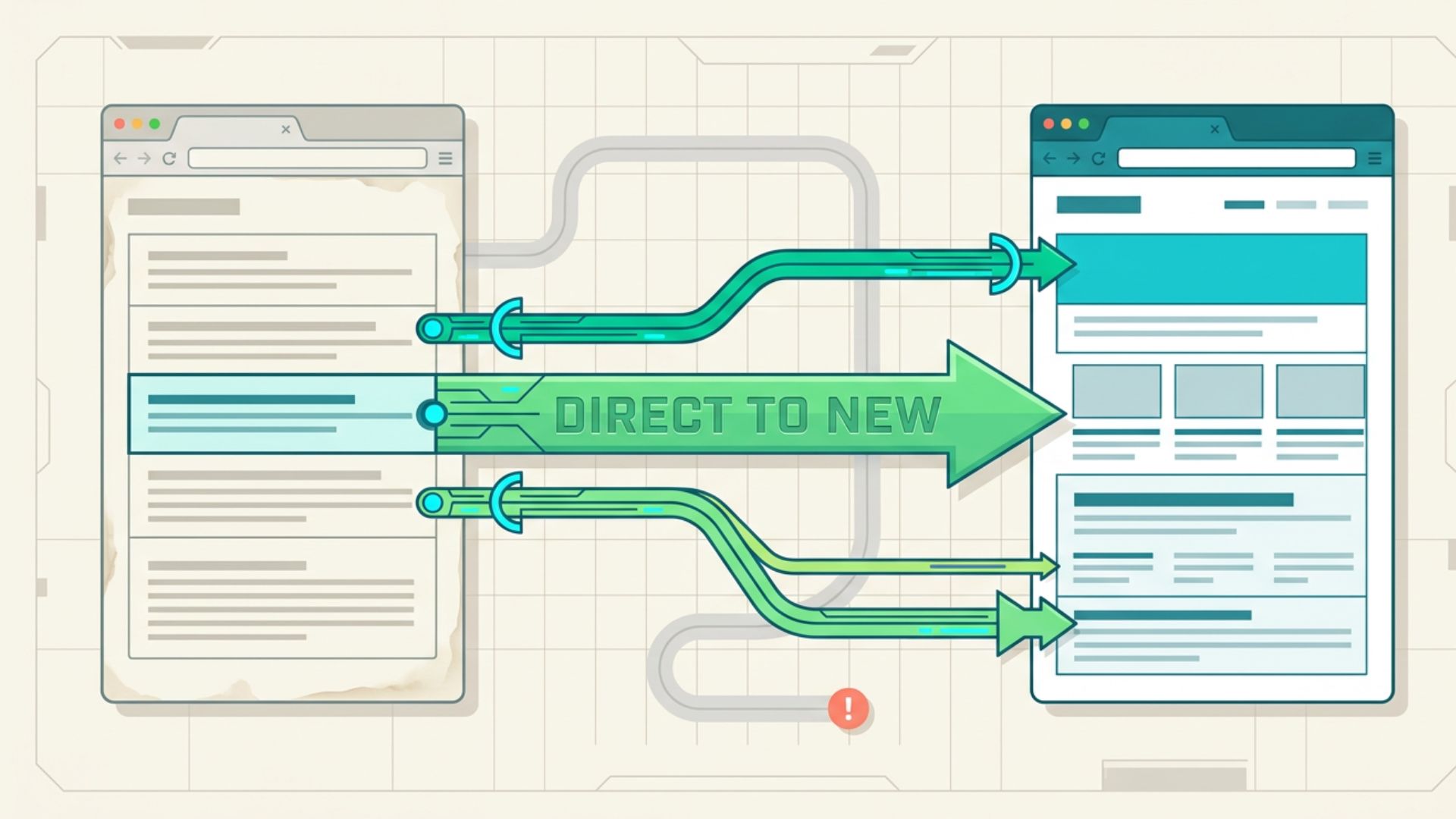

Private Blog Networks (PBNs) are networks of independently managed websites, primarily built to establish backlinks and influence search engine rankings. In practice, most PBNs rely on expired domains rather than new registrations because these domains often retain backlinks, crawl history, and topical signals that would otherwise take months or years to establish.
This article explains how expired domains are used in PBNs, why many SEO practitioners continue to incorporate them into their strategies, and how to approach them responsibly.
Why Expired Domains Matter in PBN Construction
Expired domains differ from new domains in one critical way: history. When a domain expires, it does not automatically lose its backlink profile or its place in the broader link graph. If the links pointing to it are still live and relevant, search engines may continue to associate authority and topical signals with that domain.
For PBN builders, this creates an efficiency advantage. Instead of building authority from zero, expired domains can provide a foundation that accelerates indexing and ranking impact. This is why expired domains form the backbone of most PBNs and why domain quality matters far more than raw volume.
At the same time, not all expired domains are equal. Authority only transfers if the domain’s history is clean, relevant, and consistent with its new use. Poorly sourced domains can introduce risk rather than value.
You can buy pre-vetted expired domains here: https://pagewoo.com/buy-expired-domains/
Sourcing Expired Domains for PBN Use
Expired domains are commonly sourced through drops, auctions, or domain marketplaces that specialize in aged assets. From a strategic perspective, curated marketplaces add value by filtering out domains with obvious spam, legal issues, or unusable histories.
When evaluating expired domains for PBNs, experienced SEOs focus on fundamentals rather than surface-level metrics. Key considerations include backlink relevance, anchor text balance, referring domain quality, and historical use. Archive tools are often used to confirm that the domain previously served a real purpose rather than existing solely as part of a link network.
This evaluation step is critical, as domains should be viewed as long-term SEO assets, not disposable links.
Assessing SEO Value and Risk Before Purchase
Expired domains can either strengthen a PBN or undermine it. A domain with a spam-heavy backlink profile, prior penalties, or unrelated historical use can limit effectiveness or increase detection risk.
Proper due diligence includes checking index status, reviewing referring domains manually, avoiding trademark conflicts, and ensuring niche alignment. This process reduces uncertainty and helps buyers avoid wasting budget on domains that look strong on paper but fail in practice.
From an objective standpoint, expired domains concentrate risk and reward. When chosen carefully, they can outperform new domains. When chosen poorly, they can deliver little value or create downstream issues.
Rebuilding Expired Domains into Functional PBN Sites
Rebuilding an expired domain typically involves more than publishing a single article and adding a link. Many PBN operators restore historically linked pages, recreate topic-relevant content, and build basic site structure to reflect legitimate use.
Maintaining topical consistency between the domain’s past and present content is especially important. Search engines increasingly evaluate whether an expired domain is being reused naturally or repurposed purely for manipulation. Even within PBN strategies, relevance and coherence improve longevity.
Low-effort sites may still pass value in some cases, but higher-quality rebuilds tend to perform more consistently over time.
Hosting, Infrastructure, and Network Design
Expired-domain PBNs are usually distributed across multiple hosting environments to avoid obvious technical clustering. This includes varying IP ranges, name servers, and CMS configurations.
However, infrastructure diversity alone is not enough. Patterns in content, publishing behavior, and link placement are equally important. Search engines evaluate networks holistically, which means footprint reduction lowers visibility but does not eliminate risk.
For this reason, PBNs should be viewed as controlled systems that require ongoing maintenance rather than “set and forget” assets.

Linking Strategy and Control
One of the primary reasons SEOs use PBNs is control. Expired-domain PBNs allow precise placement of contextual links, control over anchor text, and timing that is difficult to achieve through outreach-based link building.
Best practices within PBN use typically include limiting outbound links, varying anchor types, and linking to authoritative third-party resources alongside money sites. These practices help PBN sites resemble real publishing properties rather than single-purpose link vehicles.
Do Expired-Domain PBNs Still Produce Results?
In real-world SEO, many practitioners continue to report positive ranking movement from well-built expired-domain PBNs, particularly in niches where competition is high and link acquisition is difficult.
At the same time, results are not guaranteed. Search engines may devalue suspicious links without issuing penalties, which can reduce ROI quietly. Effectiveness depends heavily on domain quality, execution discipline, and competitive context.
A realistic assessment is that expired-domain PBNs can work, but they are not universally reliable or permanent.
Risks and Considerations
Search engine guidelines explicitly discourage link schemes and expired domain abuse. Potential consequences include manual actions, deindexation, or silent link devaluation.
There are also non-SEO risks, including legal issues tied to previous domain use and reputational concerns for businesses relying heavily on undisclosed networks. These factors make expired-domain PBNs better suited to controlled, high-risk SEO models than to brand-centric or client-facing projects.
When Expired-Domain PBNs Make Strategic Sense
Expired-domain PBNs are most commonly used in experimental projects, affiliate sites, or competitive SERPs where speed and control outweigh long-term brand considerations.
They are generally not recommended for regulated industries, long-term corporate sites, or client campaigns without transparency. In those cases, stability and trust tend to be more valuable than short-term ranking gains.
Conclusion
Expired domains play a central role in how PBNs are built because they offer speed, control, and leverage that new domains cannot. When sourced carefully and used intentionally, they can support SEO objectives—but they also require discipline, experience, and a clear understanding of trade-offs.
For Pagewoo users, the goal is not to promote shortcuts, but to provide access to quality domain assets so buyers can choose how to deploy them responsibly. Expired-domain PBNs should be treated as one tool among many, best used selectively rather than as a default strategy for long-term growth.