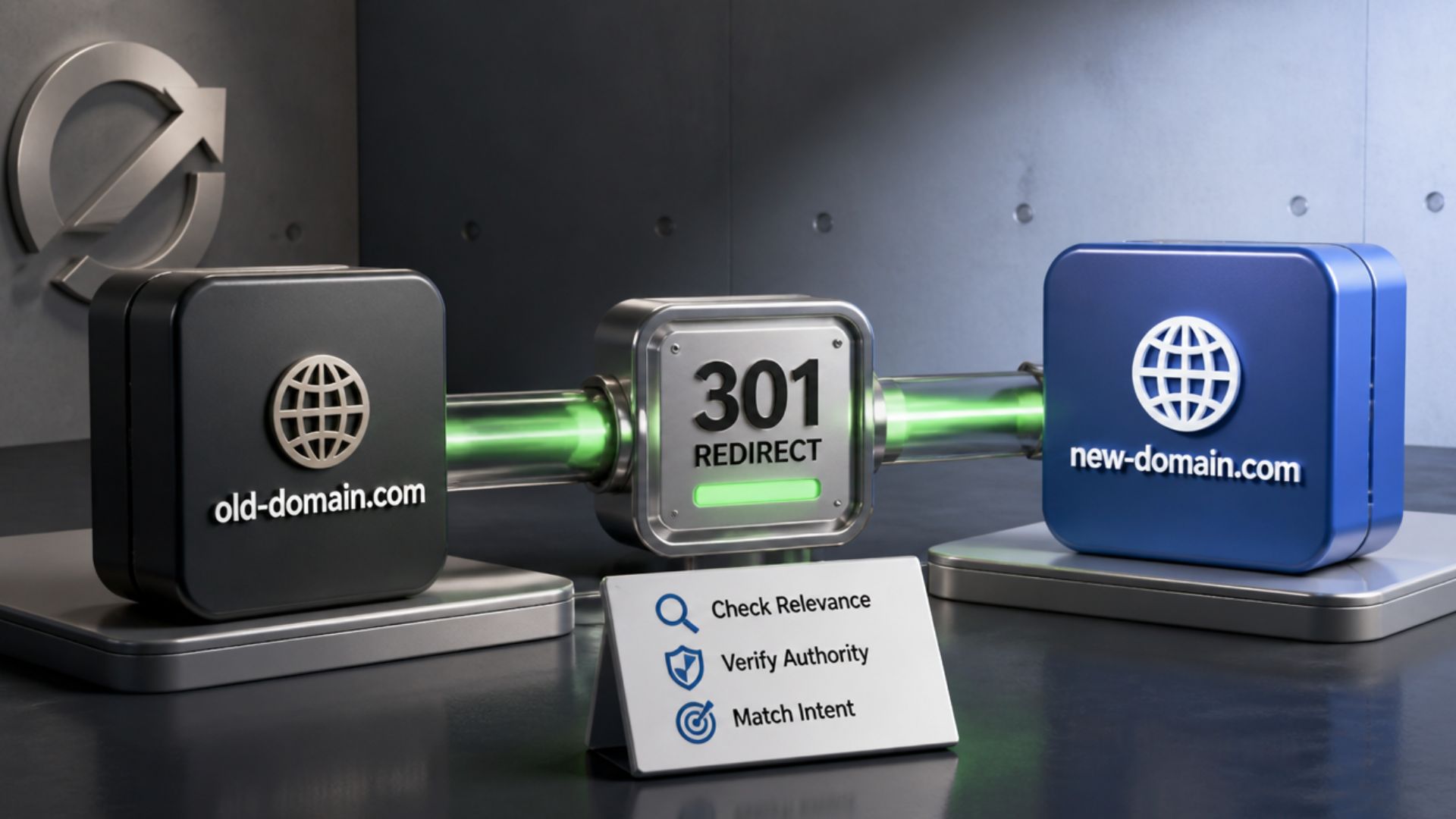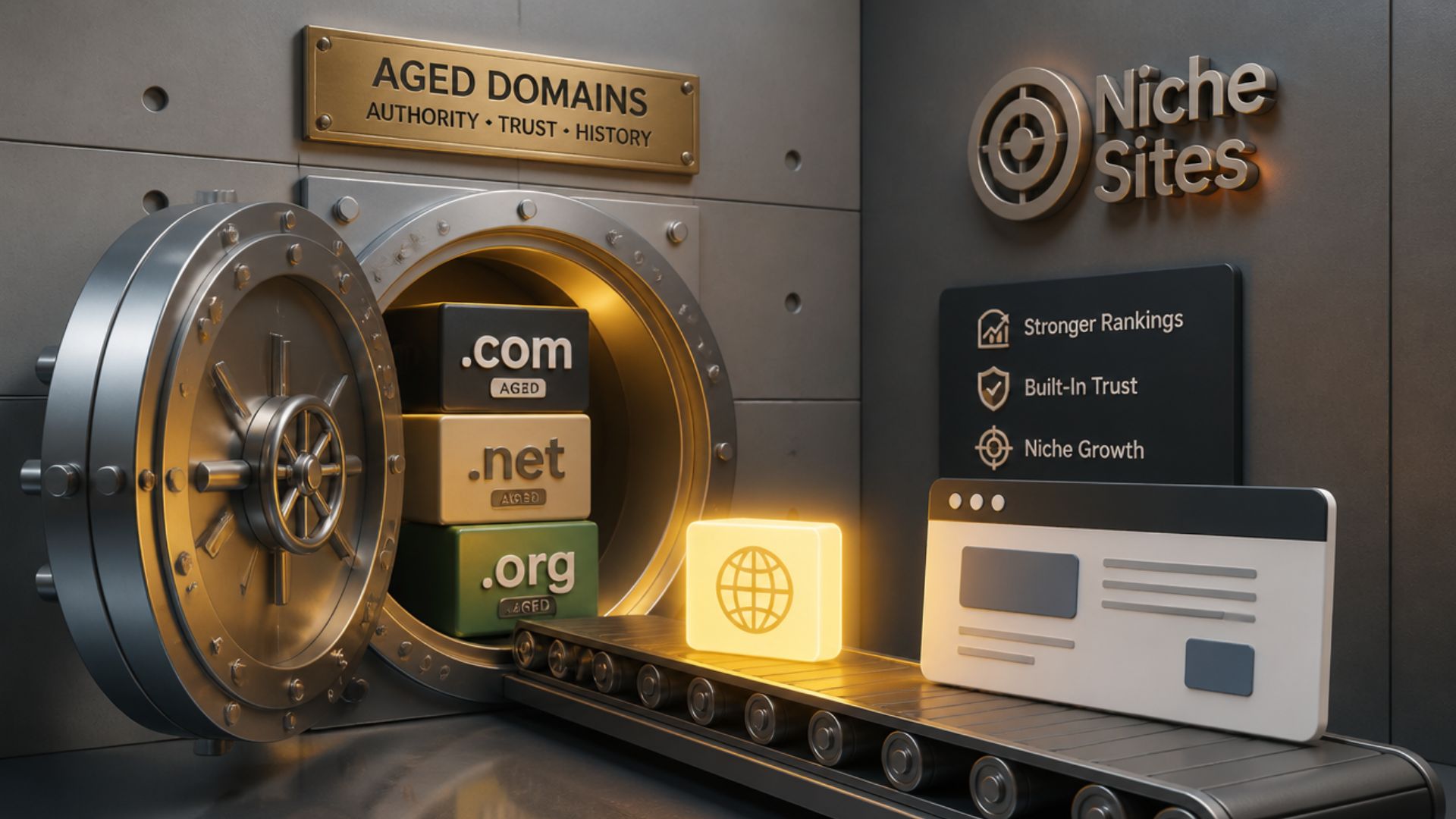

Private Blog Networks, commonly referred to as PBNs, are collections of websites often built on expired or aged domains and controlled by a single operator, primarily for the purpose of influencing search rankings through backlinks.
SEOs are drawn to expired and aged domains because they may retain backlinks, authority signals, and topical relevance that would otherwise take years to build from scratch. This article explains how PBN domains are found, evaluated, and acquired using a structured process.
Understanding PBN Domains and Risks
A domain is typically considered suitable for Private Blog Network use when it has existing authority signals, a backlink profile from real websites, and topical relevance to the site it is intended to support. These qualities can help links placed on the domain pass ranking signals more effectively than links from new or low-quality sites.
Search engines, particularly Google, classify PBNs as link schemes when domains are acquired and used primarily to manipulate rankings. Consequences can include manual actions, loss of organic traffic, and deindexing of both the PBN sites and linked money sites, making careful domain selection and vetting essential.
Defining Your PBN Strategy and Criteria
Before searching for domains, it is important to define the role the PBN will play, whether supporting a single authority site or multiple projects. Niche focus also matters, as local businesses, affiliate sites, and informational projects require different levels of topical alignment and authority.
Clear acquisition criteria help prevent impulsive purchases and guide decision-making. These typically include language consistency, niche relevance, minimum authority thresholds, evidence of past organic traffic, and a maximum price per domain, ensuring time and budget are spent efficiently.
Core Metrics for Evaluating PBN Domains
Common metrics used in domain evaluation include Domain Rating or Domain Authority, Trust Flow and Citation Flow, the number of referring domains, and estimated organic traffic. While these metrics provide helpful signals, no single metric should determine whether a domain is worth buying.
Healthy domains typically show backlinks from real websites rather than automated networks, anchor text that reflects brand names or natural phrases, and a stable link growth pattern. Warning signs include inflated metrics driven by spam links, excessive use of exact-match anchors, and sudden spikes that suggest manipulation.
Main Sources for Finding PBN Domains
Expired and auction platforms are among the most common sources for PBN domains, offering access to dropped or soon-to-expire names with existing backlinks. Dedicated PBN domain vendors curate lists and pre-vetted options, often at a higher price. Freemium lists and community-shared drops provide lower-cost opportunities but require significantly more manual vetting.
For marketers looking to save time and secure high-quality domains with valuable backlinks, you can buy PBN domains from reputable marketplaces or vetted sellers like us at Pagewoo to strengthen your link-building strategy.

Each source presents trade-offs. Auctions tend to be competitive and expensive but offer higher-quality assets. Vendors save time but reduce margin. Free lists demand effort and expertise to separate valuable domains from spam.
Using Expired Domain Tools and Filters
Expired domain tools allow users to apply filters that narrow large datasets into manageable shortlists. Common filters include top-level domain selection, language detection, minimum referring domains or authority scores, and exclusion of spam-related keywords such as those tied to pharmaceuticals or gambling.
For example, in a home improvement niche, filters might prioritize English-language domains with contextual backlinks from construction, real estate, or DIY sites. Applying filters correctly reduces noise and helps focus attention on domains with genuine topical relevance.
Competitor and Broken-Link Hunting Methods
Another approach involves analyzing competitor backlinks to identify domains that have expired or are no longer maintained. If a competitor previously earned a link from a now-defunct site, that domain may be available through auction or re-registration.
Broken-link hunting extends this concept by crawling authoritative sites for outbound links that return errors. These broken links can reveal expired domains that once held editorial value. This method requires technical tools and manual review, but can uncover domains not listed in mainstream marketplaces.
How to Deep Vet Domains
After narrowing candidates, deep vetting is essential. Archive tools such as historical snapshots reveal how a domain was used in the past, including its language, niche focus, and content quality. A domain that previously hosted legitimate content is generally safer than one recycled across unrelated niches.
Clear red flags include foreign-language spam unrelated to the original topic, pharmaceutical or casino content injected into unrelated sites, excessive keyword anchors, and signs that the domain was previously part of a visible network. Domains showing these traits are often best avoided regardless of metrics.
Minimizing PBN Footprints After Purchase
Once acquired, domains must be set up carefully to avoid leaving detectable patterns. Using varied registrars, hosting providers, themes, and site structures reduces obvious similarities. Content should be original, niche-relevant, and maintained over time.
Outbound links should appear naturally within context, with restrained use of exact-match anchors and no excessive cross-linking between network sites. Sites that resemble real standalone projects are less likely to draw scrutiny.
Final Thoughts: When PBN Domains Are Worth It
Successful PBN domain acquisition relies on strong metrics, clean history, niche relevance, and disciplined vetting before money changes hands. Even then, results are never guaranteed.
PBNs should be viewed as one component within a broader SEO strategy rather than a foundation for long-term brands. Organizations focused on sustainable growth must weigh the short-term advantages against the long-term risks carefully before committing resources to this approach.