Hyphens are allowed in domain names under standard DNS rules, but their value goes beyond technical permission. Search engines do not penalize hyphenated domains, yet branding and usability play a larger role. Many site owners wonder if hyphens affect SEO or user trust. The impact is mostly indirect rather than algorithmic.
Understanding how domain rules, search engines, and users interact is key to making the right choice. This article explains when hyphens are acceptable, when they can be helpful, and when they should be avoided.
Technical Rules: What DNS Actually Allows
Hyphens are fully permitted under DNS rules and do not directly harm search rankings. Search engines treat them as neutral and focus primarily on content quality, relevance, and authority instead. This means a hyphen alone will not prevent a site from ranking competitively.
However, the practical impact of a hyphenated domain is felt more strongly by users than by search engines or algorithms. Memorability, trust, and brand perception are often weaker with hyphenated names, especially in competitive or consumer-facing markets. These usability challenges can influence how frequently users return or recommend the site.
While hyphens can be useful when availability is limited, they should not be the first choice for most projects. In general, a clean and brandable non-hyphenated domain offers stronger long-term value, making hyphens best suited as a fallback rather than a foundation for growth.
How Search Engines Handle Hyphens
Search engines interpret hyphens as word separators when crawling and indexing domain names. This allows multi-word domains with hyphens to be parsed clearly by search algorithms. From a technical SEO perspective, hyphenated and non-hyphenated domains are treated similarly for indexing and ranking purposes. Google has explicitly stated that hyphens in domain names do not negatively affect rankings.
According to Google representatives, hyphens are considered a neutral signal rather than a positive or negative one. Search engines prioritize content quality, relevance, and backlinks over domain punctuation. As a result, a hyphen alone does not provide any ranking advantage. This confirms that hyphens are not a shortcut to better SEO performance, and strong site fundamentals remain far more important.
Indirect SEO Impact: Why User Experience Matters More
Although hyphens do not directly affect rankings, they can influence user behavior in meaningful ways. User experience metrics such as click-through rate, time on site, and repeat visits can indirectly affect performance, which aligns with Google’s emphasis on page experience and user-centric signals. Hyphenated domains are often harder to remember, especially when spoken aloud or seen briefly. Users may forget where to place the hyphen or omit it entirely when typing the address. These small errors can accumulate, impacting overall site traffic and engagement patterns over time.
This can lead to lost direct traffic or visits to a different website. Confusion can also reduce trust, particularly for first-time visitors who are forming an impression of the brand. Over time, weaker engagement signals may reduce perceived relevance in the eyes of search engines. This makes usability a more important factor than technical SEO when evaluating hyphens, emphasizing the need for clarity and simplicity in domain selection.

The Pros and Cons of Using a Hyphen
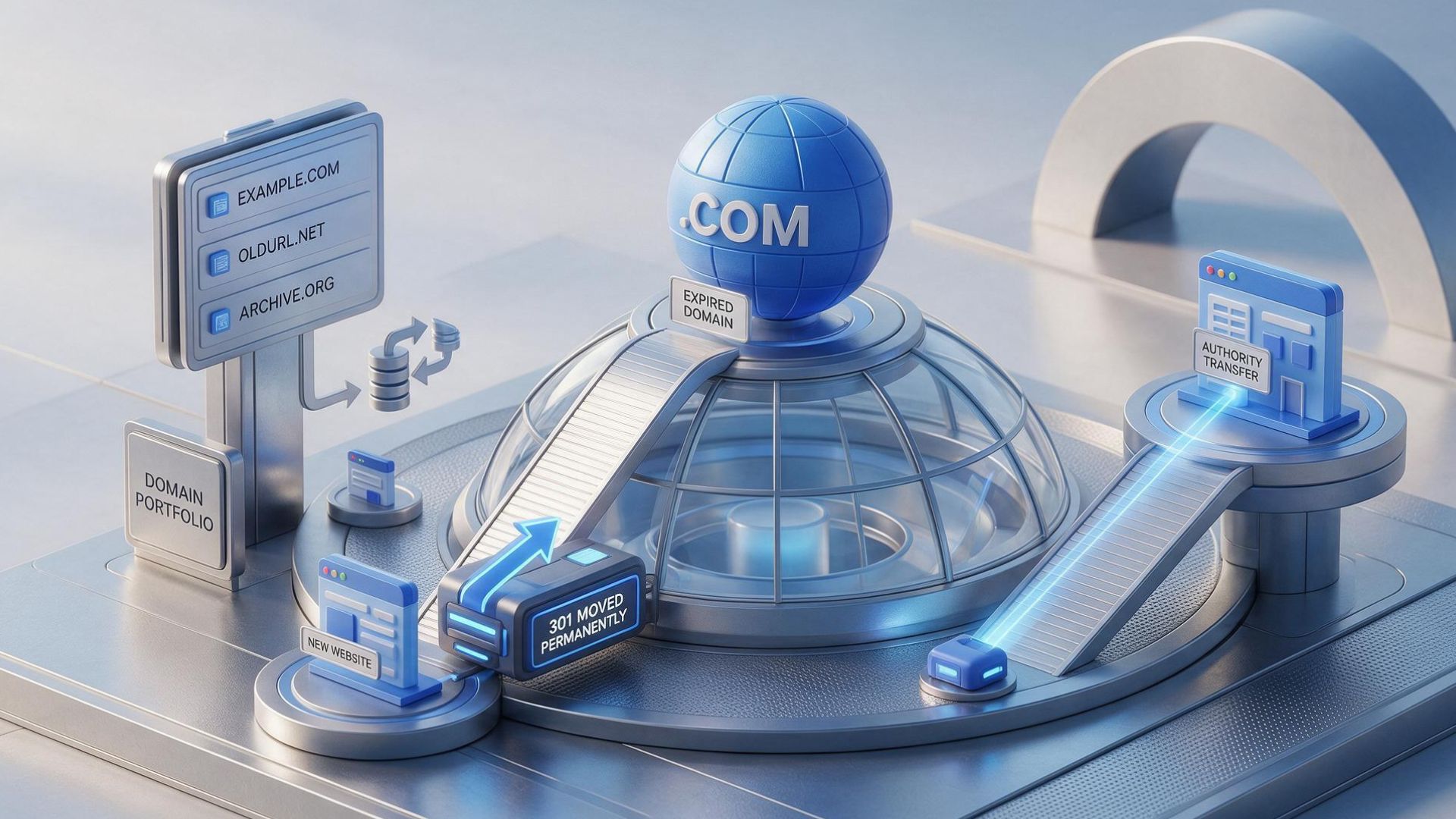
One advantage of a hyphenated domain is availability, especially when many desirable non-hyphenated names are already taken. Adding a hyphen can make it possible to secure a descriptive or keyword-aligned domain that would otherwise be unavailable. This is often helpful for niche websites or local businesses that value clarity over broad brand appeal. For those looking for more options, you can explore and buy expired domains to secure premium names that are no longer in use.
Hyphens can also improve readability when multiple words are combined into a single word. Without separation, some names can be misread or create unintended word groupings. Clear word boundaries help users understand the domain more quickly, particularly in industries where descriptive accuracy matters more than creative branding. If availability is still an issue, you can also check aged domains for previously registered names with potential authority and branding value.
However, hyphenated domains also have drawbacks that should be considered. They are harder to remember and more prone to typing errors, which can lead to lost traffic. Some users associate hyphenated domains with low quality or spam due to past misuse. This perception is stronger with multiple hyphens or overly optimized names, making hyphens a potential risk for brand-focused projects.
Best Practices: If You Choose a Hyphenated Domain
If you decide to use a hyphen, restraint is essential. Limiting the domain to a single hyphen significantly improves usability and recall. Multiple hyphens should be avoided, as they increase confusion and reduce user trust. Choosing clear and relevant word combinations helps offset potential readability issues. A thoughtful structure makes the domain easier to understand at a glance.
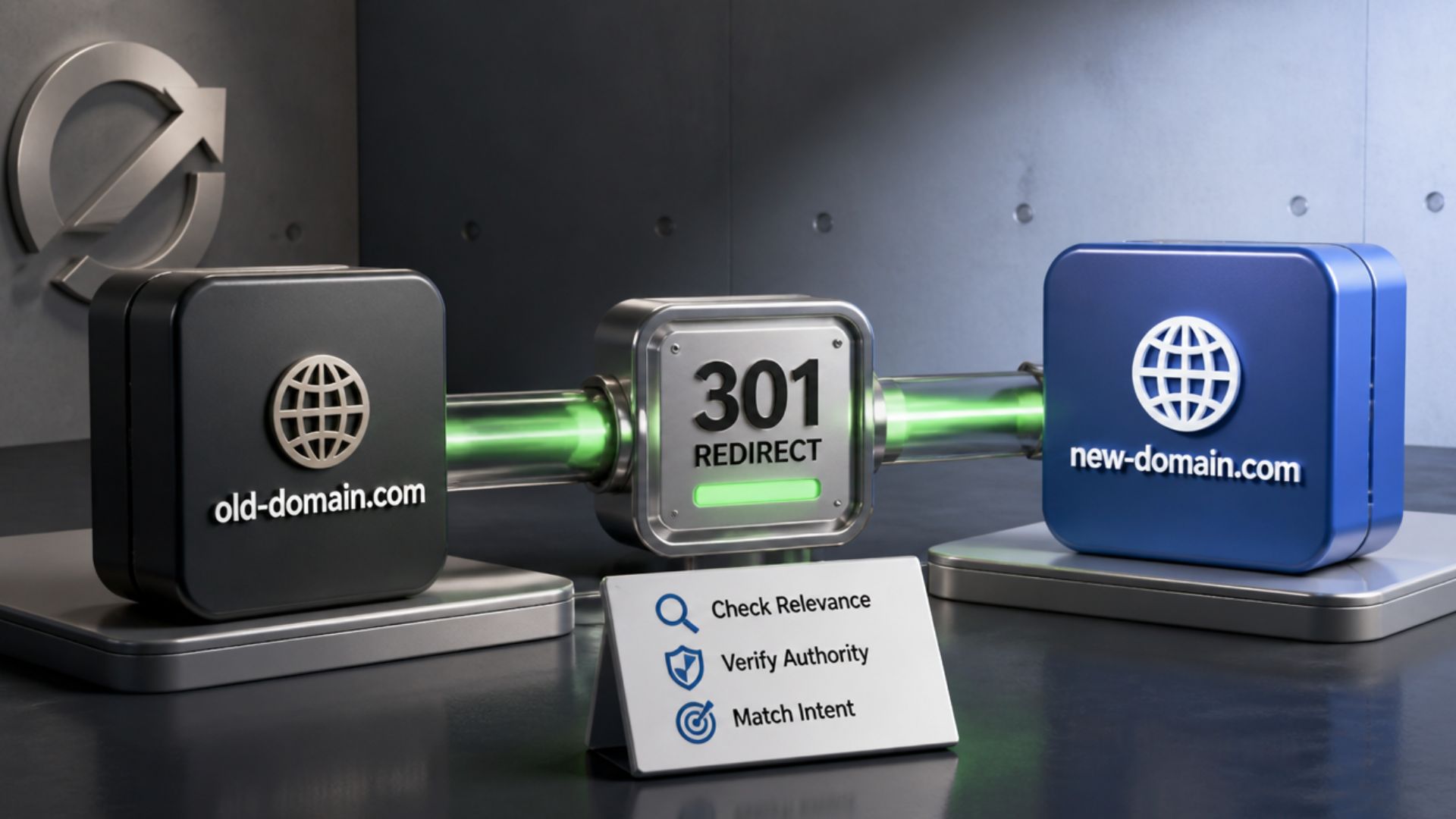
It is also wise to register the non-hyphenated version if it is available. Redirecting that version to your primary domain helps capture mistyped traffic and protects your brand. Consistent branding across all marketing materials further reduces confusion. Avoid pairing hyphens with aggressive keyword targeting, as this can harm credibility. Overall, a clean and focused domain name performs better over the long term.
When to Avoid Hyphens Entirely
Hyphens should be avoided when they exist only to force keywords into a domain. This approach is outdated and widely associated with low-quality or spam-driven websites. Modern SEO places little value on exact match domains by themselves, focusing instead on content quality and authority. Branding opportunities are also more limited with hyphenated names, particularly for businesses seeking long-term recognition.
If a shorter and more brandable alternative exists, it is usually the better option. Creative naming, abbreviations, or alternative domain extensions can provide greater flexibility without sacrificing credibility. Hyphens can also complicate offline marketing and verbal sharing, where clarity and recall matter most. Businesses aiming for strong recognition generally benefit from simplicity. In these cases, avoiding hyphens supports clearer communication and sustainable growth.
Conclusion: Allowed, But Use With Caution
Hyphens are fully permitted under DNS rules and do not directly harm search rankings. Search engines treat them as neutral and focus on content and relevance instead. However, the real impact lies in how users perceive and interact with the domain. Memorability, trust, and brand strength are often weaker with hyphenated names.
While hyphens can be useful when availability is limited, they should not be the first choice. Strategic restraint and thoughtful implementation are essential. In most cases, a clean, non-hyphenated domain offers stronger long-term value. Hyphens are best viewed as a fallback rather than a foundation.