Domain names no longer function as direct ranking factors in the way they once did, but they still play a meaningful role in SEO performance. A domain influences how users perceive a site, their likelihood of clicking on a result, and how easily they remember and reference it later. Search engines increasingly evaluate behavioral signals such as click-through rates, brand mentions, and link quality, all of which are shaped by the domain name.
While owning a keyword-rich domain alone will not generate rankings, a poorly chosen domain can limit growth. This article explains how to choose a domain name that supports long-term SEO by aligning with how search engines and users evaluate credibility and relevance.
Understand How Domains Affect SEO Today
Search engines have evolved to reduce the influence of exact-match and keyword-stuffed domains. Early algorithms often rewarded domains that matched search queries directly, but this led to widespread spam and low-quality results. Today, ranking systems prioritize content relevance, site authority, and user engagement over domain wording alone.
A domain contributes indirectly by shaping how users interact with a site once it appears in search results. Clear, trustworthy domains tend to earn higher click-through rates, which can reinforce visibility over time. Domains also affect how naturally other sites link back, as branded names are more likely to be cited without manipulation.
Even in the context of PBN domains, which are often acquired for their existing authority and backlink profiles, the same principles apply: only domains with clean, credible histories truly support SEO.
In this way, the domain supports SEO by influencing perception rather than acting as a ranking shortcut. It helps establish consistency and credibility across search results, backlinks, and brand mentions. Understanding this shift is essential before making naming decisions.
Prioritize Brandable, Memorable Names
Brandable domain names are easier for users to remember, recommend, and search for again. Short and simple names reduce cognitive effort and lower the chance of typing errors. Domains that can be pronounced easily perform better in word-of-mouth sharing and offline promotion. Over time, brandable names accumulate authority as mentions and backlinks increase across different platforms.
Search engines interpret consistent brand references as signals of legitimacy and trust. A strong brand domain also separates the site from competitors using generic or repetitive naming structures. As authority grows, rankings rely more on reputation than keyword alignment. For businesses focused on long-term growth, brand recognition often outweighs short-term keyword advantages.
Use Keywords Strategically Without Stuffing
Keywords can still be included in a domain when they fit naturally and enhance clarity. A single descriptive term can help users immediately understand what a business offers. Examples include local services or niche products where relevance is obvious and helpful. When used this way, keywords can support user expectations without forcing optimization.
However, adding multiple keywords often reduces readability and signals low quality to both users and search engines. Keyword-heavy domains frequently resemble spam and discourage clicks even if they rank temporarily. Search engines may also associate such domains with manipulative practices based on historical patterns. The safest approach is to treat keywords as optional rather than required. When branding and clarity conflict with keyword use, clarity should always take priority.
Choose SEO-Friendly TLDs and Targeting
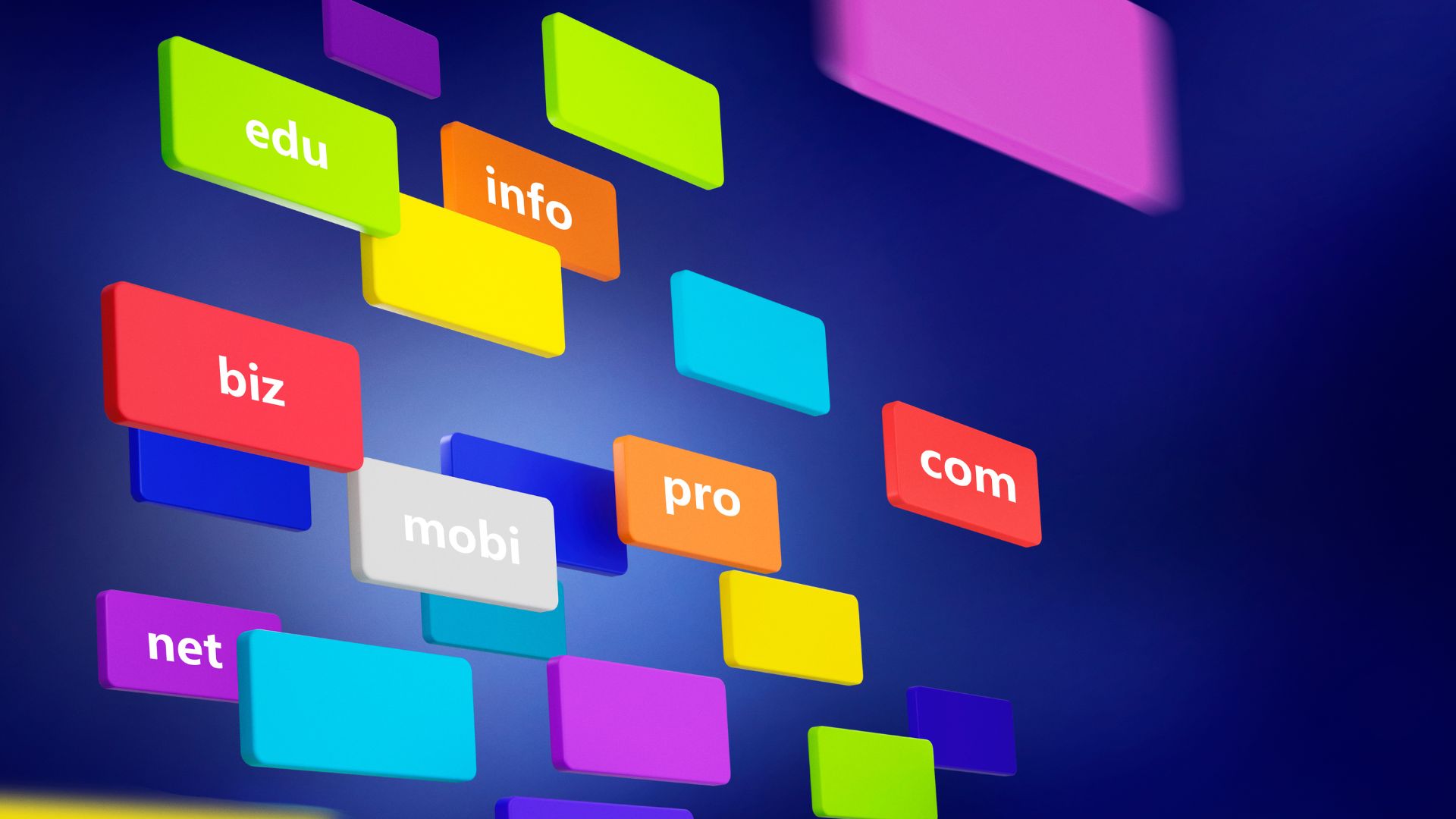
Top-level domains influence trust and geographic relevance more than rankings themselves. The .com extension remains widely recognized and trusted across industries and regions. Country-code TLDs such as .uk, .ca, or .ph strengthen local relevance, as search engines associate them with country-specific intent. Neutral generic TLDs suit global audiences, while less common extensions may still rank but can reduce perceived credibility. Choosing the right TLD also signals professionalism and reliability before users even visit the site.

Trust affects click behavior, especially for competitive queries. In addition to TLD choice, implementing DNS Security Extensions (DNSSEC) ensures that visitors reach the legitimate site by cryptographically verifying DNS records, preventing redirection or spoofing attacks. Selecting a TLD and securing it with DNSSEC supports both usability and SEO outcomes. Businesses should consider long-term branding, geographic strategy, and domain integrity to maximize visibility and user confidence. Aligning TLD choice with audience perception ensures the domain reinforces credibility, trust, and search performance.
Follow Structural Best Practices for Clarity and Length
Domain length affects usability and search performance indirectly through user behavior. Studies show that shorter domains are easier to remember and more likely to receive direct traffic. Domains over roughly fifteen characters or three words often see reduced engagement. Complex structures increase the risk of spelling errors and lost visits, and hyphens or numbers can confuse users and lower perceived authority. Search engines do not penalize these elements directly, but user hesitation impacts performance metrics. Choosing a concise, intuitive domain helps users trust the brand and encourages repeat visits.
Clear structure also improves how domains appear in search snippets and browser displays. Keeping the domain clean and readable supports consistent branding and trust. Well-organized domains reduce cognitive load and make sharing easier, which can further enhance click-through rates and organic visibility.
Check History, Spam Signals, and Reputation
Buying an existing or expired domain requires careful evaluation of its past use. Search engines retain historical signals related to content quality and link behavior. Domains previously associated with spam, malware, or manipulative SEO may struggle to rank even after ownership changes. Reviewing archived content helps identify prior misuse or irrelevant themes.
acklink analysis reveals whether inbound links come from reputable sources or low-quality networks. A domain with a toxic link profile may require extensive cleanup. Reputation issues can also affect user trust if the domain appears on blocklists. Ensuring a clean history prevents inherited SEO problems that are difficult to reverse. For SEOs and businesses looking to leverage authority quickly, buying aged domains with clean backlinks and a solid history can provide a head start, but only after careful evaluation.
Align Domain Choice With Future SEO Strategy
Domain names should support not only current goals but also future expansion. Choosing a name that is too narrow can restrict content growth or geographic scaling. Businesses often evolve beyond their initial offerings, and the domain should accommodate that shift. Rebranding later requires careful planning, including redirects and search engine reprocessing.
Even when executed correctly, migrations frequently cause temporary traffic and ranking declines. Planning minimizes disruption and protects accumulated authority. Flexible domains allow SEO strategies to adapt without structural changes. Long-term thinking reduces the need for costly corrective actions.
Conclusion: Making Domain Choices That Support SEO Long Term
Choosing the best domain name for SEO is less about chasing keywords and more about building trust, clarity, and usability. Modern search engines reward domains that support strong brands, clear intent, and positive user engagement. A well-chosen domain encourages clicks, earns natural backlinks, and builds authority over time. Structural simplicity, a clean history, and flexibility for future growth all contribute to sustainable rankings.
Before committing, it is important to confirm the domain is short, brandable, uses a trusted TLD, and appears clear and appealing in search results. Mistakes made at the domain level are often difficult to undo and may require disruptive rebranding later. Treating domain selection as a foundational SEO decision protects long-term visibility and performance.