
Expired domains often attract attention because of their existing backlink profiles, search visibility, and perceived SEO value. However, many website owners and marketers assume these benefits automatically transfer to a new owner, leading to misconceptions about how search engines evaluate previously registered websites. In reality, the answer is more nuanced.
This guide explains whether expired domains retain their authority, what factors influence their SEO value, and how Google’s current guidance affects the way these websites should be evaluated before you invest in one.
Can Expired Domains Still Have SEO Value?
Yes, expired domains can retain some SEO value, but there is no guarantee they will keep the same authority or search performance they had before expiring. While backlinks, brand mentions, and historical signals may still exist, Google reassesses a website based on its current content, relevance, and overall quality rather than its past reputation alone.
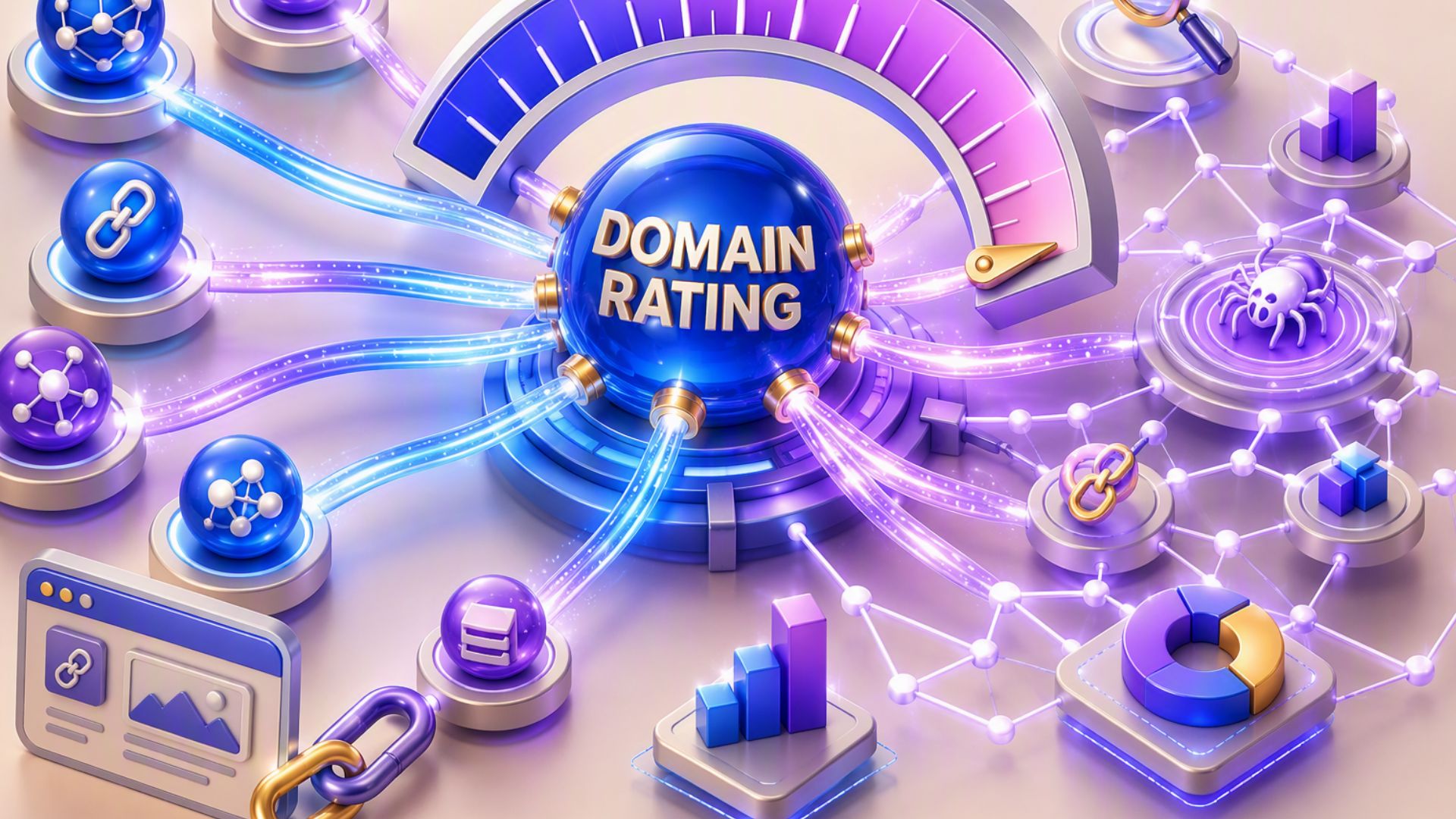
It’s also important to understand that “authority” isn’t a single ranking factor. Third-party metrics such as Domain Authority (DA) or Domain Rating (DR) may remain relatively unchanged for a period, but they don’t reflect how Google evaluates a website. The actual SEO value of an expired domain depends on factors such as the quality of its backlink profile, topical relevance, previous history, and how the site is rebuilt after it changes ownership.
What Does “Authority” Actually Mean?
In SEO, “authority” is a broad term used to describe a website’s ability to rank in search results. It isn’t a single ranking factor or score that Google assigns. Instead, it reflects a combination of signals, such as backlink quality, topical relevance, content quality, and overall trustworthiness.
It’s also important to distinguish Google’s ranking systems from third-party SEO metrics. Scores like Domain Authority (Moz) and Domain Rating (Ahrefs) estimate a website’s ranking potential, but Google has confirmed it doesn’t use these metrics when determining search rankings.
Understanding this distinction is essential when evaluating expired domains. While third-party scores may provide useful insights, they don’t necessarily reflect how Google assesses a website’s current SEO value.
Which SEO Signals Can an Expired Domain Retain?
An expired domain doesn’t retain its entire SEO value. Instead, individual ranking signals may remain after it changes ownership, although their influence can change as search engines reassess the website.
Backlinks and Link Equity
A quality backlink profile is one of the most valuable assets an expired domain can retain. If reputable websites continue linking to it, those backlinks may still pass link equity. However, their SEO value depends on factors such as link quality, relevance, and whether the referring pages remain active.
Topical Relevance
Topical relevance can influence how much SEO value carries over. A website rebuilt around the same subject is more likely to benefit from existing backlinks than one repurposed for an unrelated niche. Maintaining a consistent focus helps preserve the context behind those links.

Historical Reputation
A website’s history can also affect its SEO potential. An expired domain with a clean backlink profile and a history of high-quality content is generally a stronger candidate than one previously used for spam or manipulative SEO. Reviewing its past use helps identify potential risks before purchasing.
Why Some Expired Domains Keep SEO Value While Others Lose It
Not every expired domain performs the same after it changes ownership. Its ability to retain ranking potential depends on several factors, many of which influence how search engines interpret the site’s relevance and trustworthiness.
Relevant Link Profile
Links from reputable, relevant websites are generally more valuable than a large number of low-quality links. If those referring pages remain active and continue pointing to the site, they may still contribute to its ranking potential.
Topical Consistency
Keeping the content aligned with the site’s previous subject helps preserve the context behind existing links. Shifting to an unrelated niche can reduce their relevance and limit any potential benefit.
Past Reputation
A clean history is often an advantage. Previous spam, manipulative SEO tactics, or a poor reputation can make it more difficult to regain search visibility, even after new ownership.
Ongoing Optimization
An expired domain provides a starting point, not a shortcut to higher rankings. Long-term success still depends on publishing helpful content, maintaining technical SEO, and earning new, relevant backlinks over time.
What Does Google Say About Expired Domains?
Google allows the legitimate purchase and reuse of expired domains. However, it warns against using them primarily to manipulate search rankings.
Under its spam policies, Google defines expired domain abuse as repurposing an expired domain to exploit its prior reputation by publishing low-value or unrelated content. This practice is considered spam and may affect a website’s performance in search results.
Using an expired domain for a legitimate website isn’t against Google’s guidelines. As with any website, the focus should be on providing helpful, relevant content that serves users rather than trying to benefit from historical SEO signals alone.
How to Evaluate an Expired Domain Before Buying
Before purchasing an expired domain, review its history and SEO signals carefully. A few minutes of research can help you avoid spammy assets and identify opportunities with genuine ranking potential.
- Review the backlink profile: Check whether links come from reputable, relevant websites. A small number of high-quality backlinks is generally more valuable than a large number of low-quality ones.
- Check historical content: Use the Internet Archive’s Wayback Machine to see how the website was previously used. Look for a consistent topic and avoid sites that were repurposed repeatedly or hosted spam.
- Look for signs of spam: Review archived pages and the backlink profile for manipulative SEO tactics, hacked cont ent, or excessive link building that could affect future performance.
- Verify indexing status: Search Google to see whether pages from the domain are still indexed. While a lack of indexed pages isn’t always a red flag, it may warrant further investigation.
- Check for trademark issues: Avoid names that include registered trademarks or well-known brands to reduce the risk of legal disputes after purchase.
Conclusion
Expired domains can retain certain SEO signals, but they don’t automatically keep the same authority or search performance they had before expiring. Their long-term value depends on factors such as backlink quality, topical relevance, historical reputation, and how the website is managed after it changes ownership.
If you’re considering buying an expired domain, focus on careful evaluation rather than assumptions about inherited authority. A clean history, relevant backlinks, and a well-planned content strategy are far more valuable than relying on past rankings alone.