Buying an aged domain can save time when building a new website, but choosing the wrong one may create more problems than benefits. While some have valuable backlinks, a relevant history, and established authority, others may be associated with spam, penalties, or poor-quality link profiles that can limit future SEO performance. Knowing how to evaluate these factors before making a purchase is essential.
This guide explains how to choose an aged domain by assessing its history, backlink profile, authority, topical relevance, and other key considerations to help you invest with confidence.
What Is an Aged Domain?
An aged domain is a web address that has been registered for several years and has an established history of ownership or use. Unlike a newly registered domain, it may already have historical content, backlinks, search engine indexing, or brand mentions.
An aged domain is not always an expired domain. An aged domain can still be owned and sold by its current owner, while an expired domain is one that was not renewed and has become available for registration or auction. Although some expired domains are also aged, the two terms are not interchangeable.
Why Businesses Buy Aged Domains
Businesses and website owners often buy aged domains because they may already have valuable SEO signals that take time to build from scratch. Depending on their history, they can include quality backlinks, search engine indexing, brand mentions, and an established online presence. These existing assets can provide a stronger foundation for a new website than a newly registered domain.
However, an older domain is not automatically a better choice. Google does not use age alone as a ranking factor. Its value depends on the quality of its backlink profile, historical use, topical relevance, and overall reputation. Evaluating these factors carefully before making a purchase is essential, which is why understanding how to assess an aged domain is just as important as knowing its potential benefits.
How to Choose an Aged Domain
Check the Domain’s History
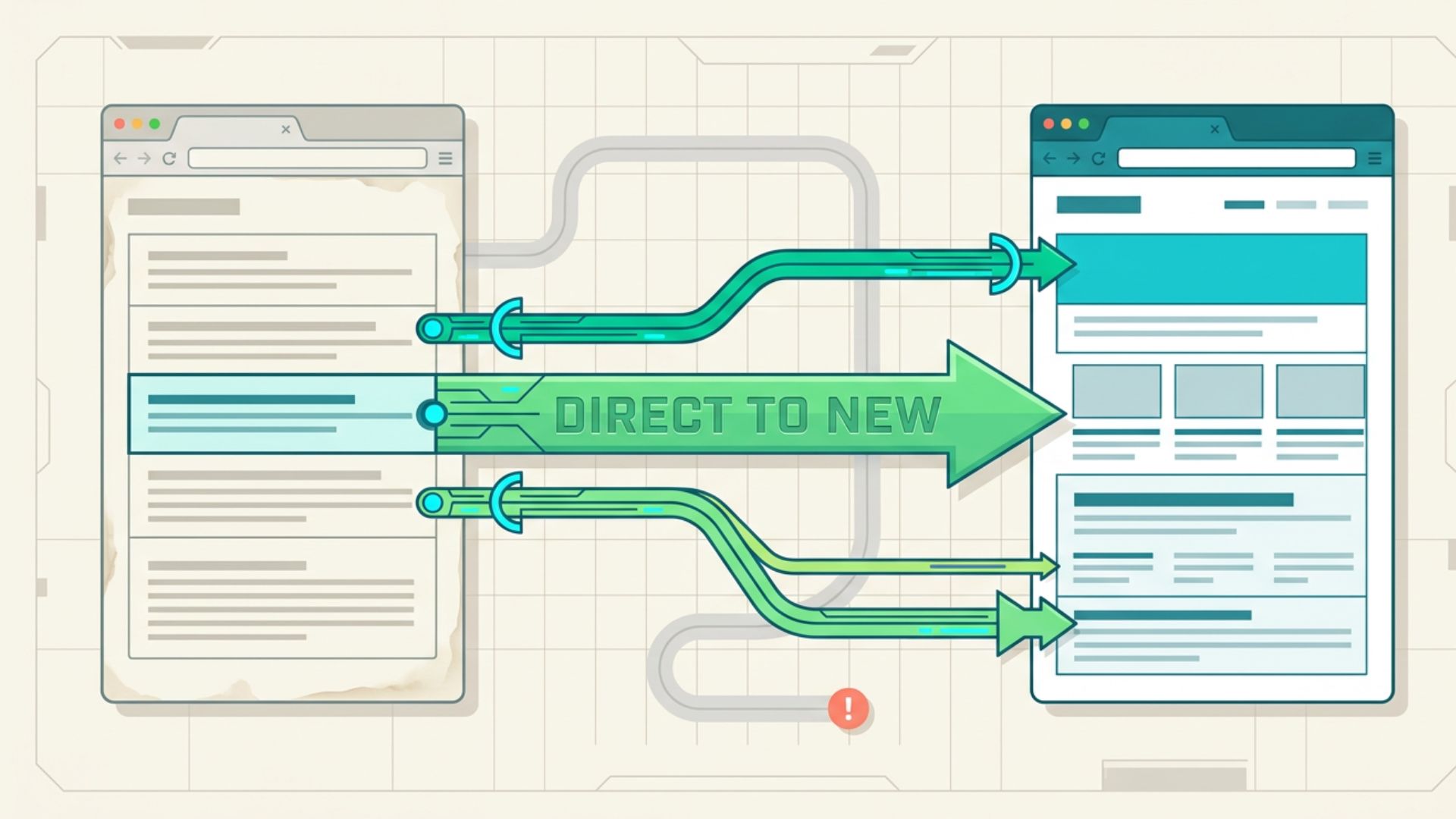
Review how the domain has been used over time. A consistent history with legitimate content is generally more valuable than one that has frequently changed ownership or hosted unrelated websites. Use the Wayback Machine to inspect archived pages and review available WHOIS records to identify major changes in ownership or content. Avoid domains that have previously been used for spam, low-quality content, or suspicious redirects.
Evaluate Topical Relevance
Choose a domain whose previous content closely matches your intended niche. A history that aligns with your industry helps preserve topical relevance and makes it easier to build on existing authority. Repurposing a website for a completely unrelated topic may reduce the value of its existing SEO signals.
Review the Backlink Profile
A strong backlink profile is built on links from reputable, relevant websites rather than sheer quantity. Review referring domains, anchor text, and link quality using SEO tools such as Ahrefs or Semrush. Be cautious of excessive exact-match anchors, paid links, private blog networks (PBNs), or links from low-quality websites, as these may indicate manipulation.
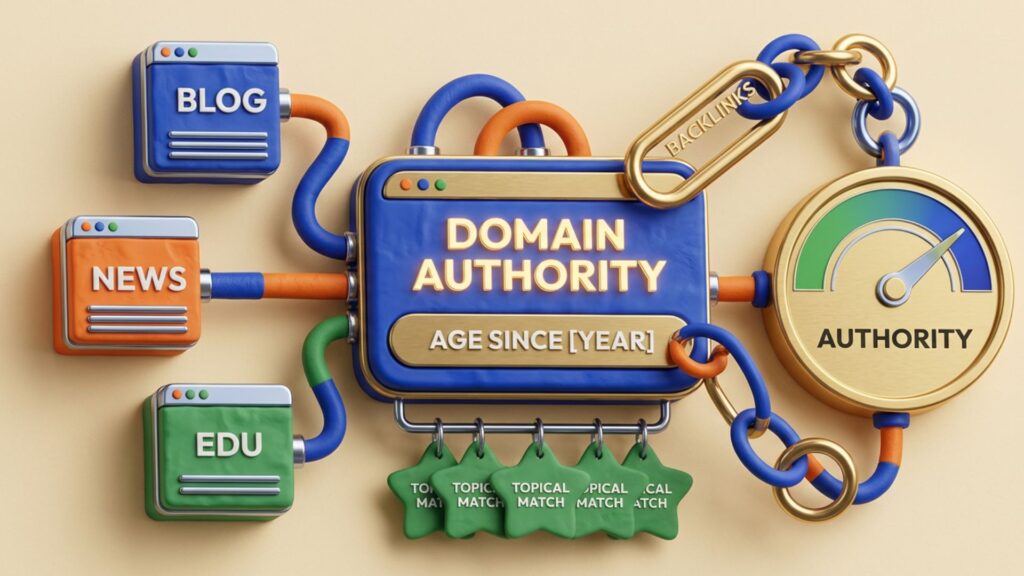
Analyze Authority Metrics
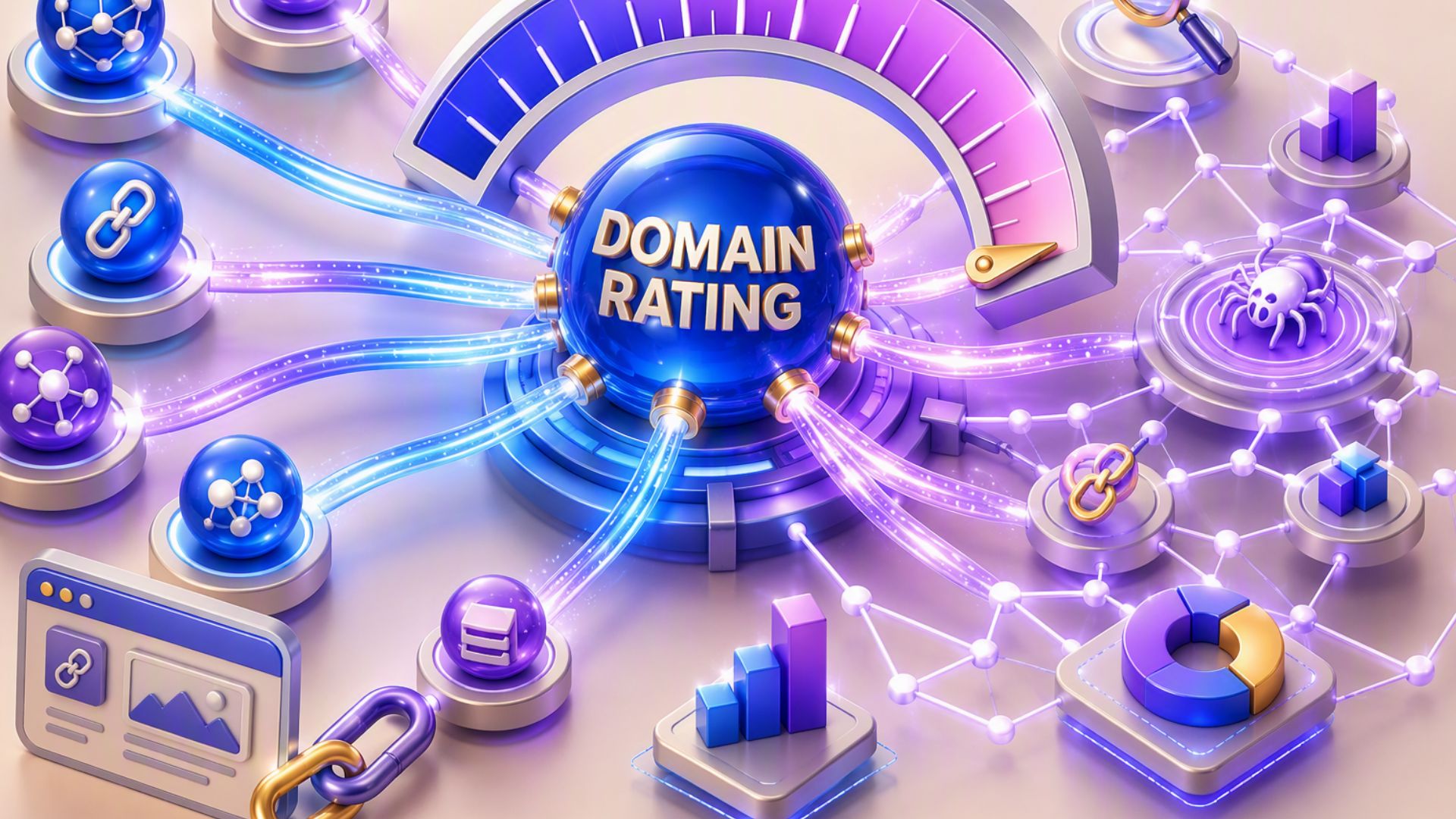
Metrics such as Domain Rating (DR), Domain Authority (DA), and Trust Flow (TF) can help compare domains, but they should not be the deciding factor. These are third-party measurements, not Google ranking signals. Use them as a starting point, then confirm their value by reviewing the site’s backlink profile, history, and relevance.
Look for Signs of Spam
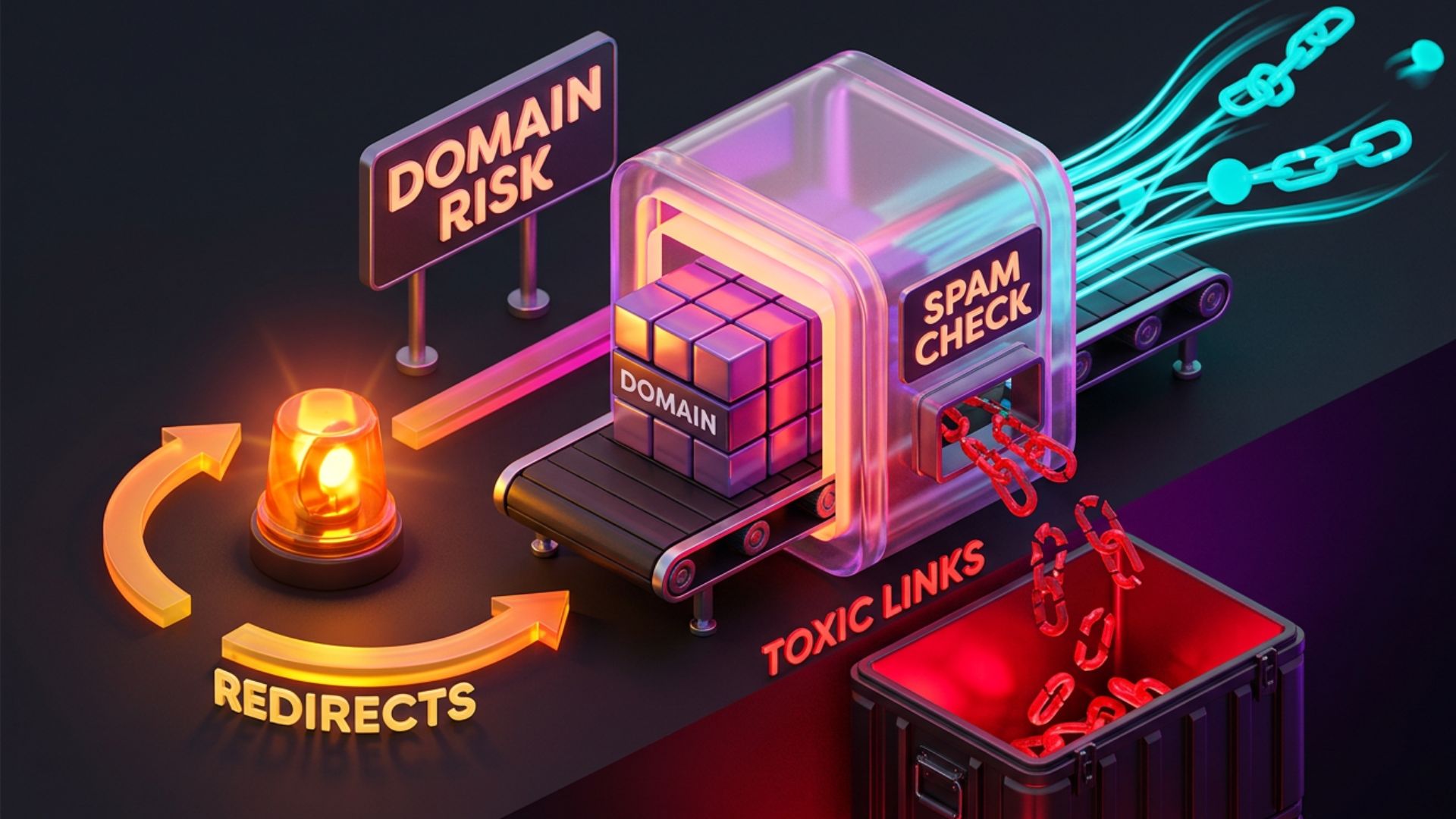
A clean history is just as important as strong authority. Check for warning signs such as spammy anchor text, irrelevant foreign-language links, link farms, hacked content, or repeated ownership changes. These issues may affect future SEO performance and require significant cleanup.
Review Traffic and Indexing Signals
If traffic data is available, look for evidence of consistent organic visibility rather than sudden spikes or sharp declines. Also, confirm that the domain has been indexed by search engines and has not been removed from search results due to previous violations. Stable indexing and traffic trends often indicate a healthier online history.
Choose a Brandable Name
The name should be easy to remember, spell, and pronounce while remaining relevant to your business or industry. Avoid names that are overly long, difficult to understand, or closely associated with another brand, as they can limit future marketing efforts.
Compare the Price to Its Value
Consider the complete picture before making a purchase. A higher price may be justified if the domain has quality backlinks, a clean history, strong topical relevance, and branding potential. If these strengths are missing, a new domain or a lower-priced alternative may offer better long-term value.
Common Mistakes to Avoid When Buying an Aged Domain
Avoiding common mistakes can save you from investing in a domain that creates more SEO challenges than value. Keep these pitfalls in mind before making a purchase:
- Assuming older is always better. Domain age alone does not determine SEO value. A clean history and high-quality backlinks matter far more.
- Relying only on SEO metrics. Metrics such as DR and DA are useful for comparison but should never replace a manual review of the domain’s history and backlink profile.
- Ignoring topical relevance. Buying a domain with a history unrelated to your niche can reduce the value of its existing authority.
- Skipping history checks. Always review archived content and previous ownership to identify signs of spam, abuse, or frequent changes in use.
- Overlooking backlink quality. A small number of relevant, authoritative backlinks is often more valuable than hundreds of low-quality links.
- Paying more than it’s worth. Evaluate the domain as a whole before purchasing. A premium price should be supported by a clean history, strong backlinks, topical relevance, and branding potential.
Conclusion
Choosing an aged domain involves more than checking its registration date or SEO metrics. A thorough evaluation of its history, backlink profile, topical relevance, authority, and overall reputation will help you identify opportunities while avoiding costly mistakes. By taking the time to assess these factors before buying, you can invest in a domain that provides a stronger foundation for long-term growth and sustainable search performance.