
Link building remains a major part of search engine optimization, but earning valuable backlinks now requires more than sending generic outreach emails. Strong campaigns focus on relevance, editorial value, trusted relationships, and useful content. This article covers advanced link-building strategies to help websites attract authoritative links, strengthen domain authority, improve organic rankings, and build a backlink profile that remains valuable even after search algorithm updates.
Create Linkable Assets Based on Original Value
Advanced link building begins with content that gives publishers a clear reason to reference your website. Standard blog posts may attract occasional links, but original resources usually produce stronger results.
Linkable assets can include industry reports, research studies, interactive tools, detailed templates, calculators, visual maps, statistics pages, and expert surveys. These resources work because they provide information that other writers can cite while creating their own content.
Original data is especially useful. A business can survey customers, analyze internal trends, review public records, or compare industry benchmarks. The findings can then be presented through charts, key statistics, and practical commentary. Journalists and bloggers often need reliable figures to strengthen their articles, making a well-researched data page a natural backlink target.
The asset should solve a specific information need rather than cover a broad topic with surface-level details. A report titled “Email Marketing Statistics” faces heavy competition. A report focused on “Email Response Rates Across Local Service Industries” has a narrower angle and a stronger chance of attracting relevant links.
Refresh valuable assets when new data becomes available. Updated statistics give publishers a reason to reference the resource again and can revive older outreach opportunities.
Use Digital PR to Earn Editorial Backlinks
Digital PR combines media relations, original research, expert commentary, and timely stories to earn coverage from established websites. These editorial backlinks often carry greater SEO value because they appear naturally within relevant articles.
A successful campaign needs a strong angle. The topic should connect the company’s expertise with something journalists already cover. Seasonal trends, consumer behavior, market activity, new technology, and public data can all provide useful starting points.
The story must remain understandable outside the company’s industry. Journalists are more likely to cover research that has a clear headline, credible evidence, and an obvious connection to their readers.
Newsjacking can also create valuable backlink opportunities. This strategy involves offering expert commentary when a relevant story is gaining attention. Fast, useful responses may lead to mentions in news articles, trade publications, podcasts, or industry newsletters.
Avoid forcing a connection between the brand and an unrelated trending topic. Weak relevance may earn temporary exposure without attracting useful referral traffic or strengthening topical authority. The strongest digital PR links come from publications that align with the website’s subject area, audience, or market.
Strengthen Outreach with Precise Prospecting
Generic link-building outreach produces weak response rates because recipients can quickly recognize mass-produced messages. Advanced outreach starts with careful prospect selection.
Each potential website should be reviewed for topical relevance, content quality, organic visibility, editorial standards, and backlink history. Domain name metrics can help filter prospects, but they should not be the only deciding factor. A smaller specialist website may offer more SEO value than a large general publication with little connection to the target topic.
Review the page before sending a pitch. Identify exactly where the proposed resource fits and explain why it would improve the existing content. A useful outreach message mentions the article, highlights a specific gap, and presents the recommended page as a practical reference.
Prospects can also be grouped according to their likely interest. Journalists may respond to original statistics, educators may prefer detailed learning resources, and industry bloggers may value expert quotes or practical tools. Matching the pitch to the recipient makes the outreach feel intentional rather than automated.
Follow-ups should remain brief and respectful. One or two messages are usually enough. Repeated emails can harm the sender’s reputation and reduce the chance of future collaboration.

Reclaim Existing Link Opportunities
Some of the strongest backlink opportunities already exist but remain unused. Link reclamation focuses on recovering lost links, correcting broken destinations, and turning brand mentions into active references.
Start with unlinked brand mentions. Websites may mention a company, product, research report, or executive without linking to the source. Since the publisher already knows the brand, outreach can focus on making the article more useful to readers rather than introducing the business at the outset.
Lost backlink reports can reveal links that disappeared after content edits, website migrations, page removals, or publication updates. Review each lost link to determine whether the original page still exists and whether the backlink remains relevant. A polite message explaining the missing resource may help restore it.
Broken link building applies a similar process to external websites. Find authoritative pages that link to outdated or removed resources, create or identify a suitable replacement, then contact the publisher with the corrected destination.
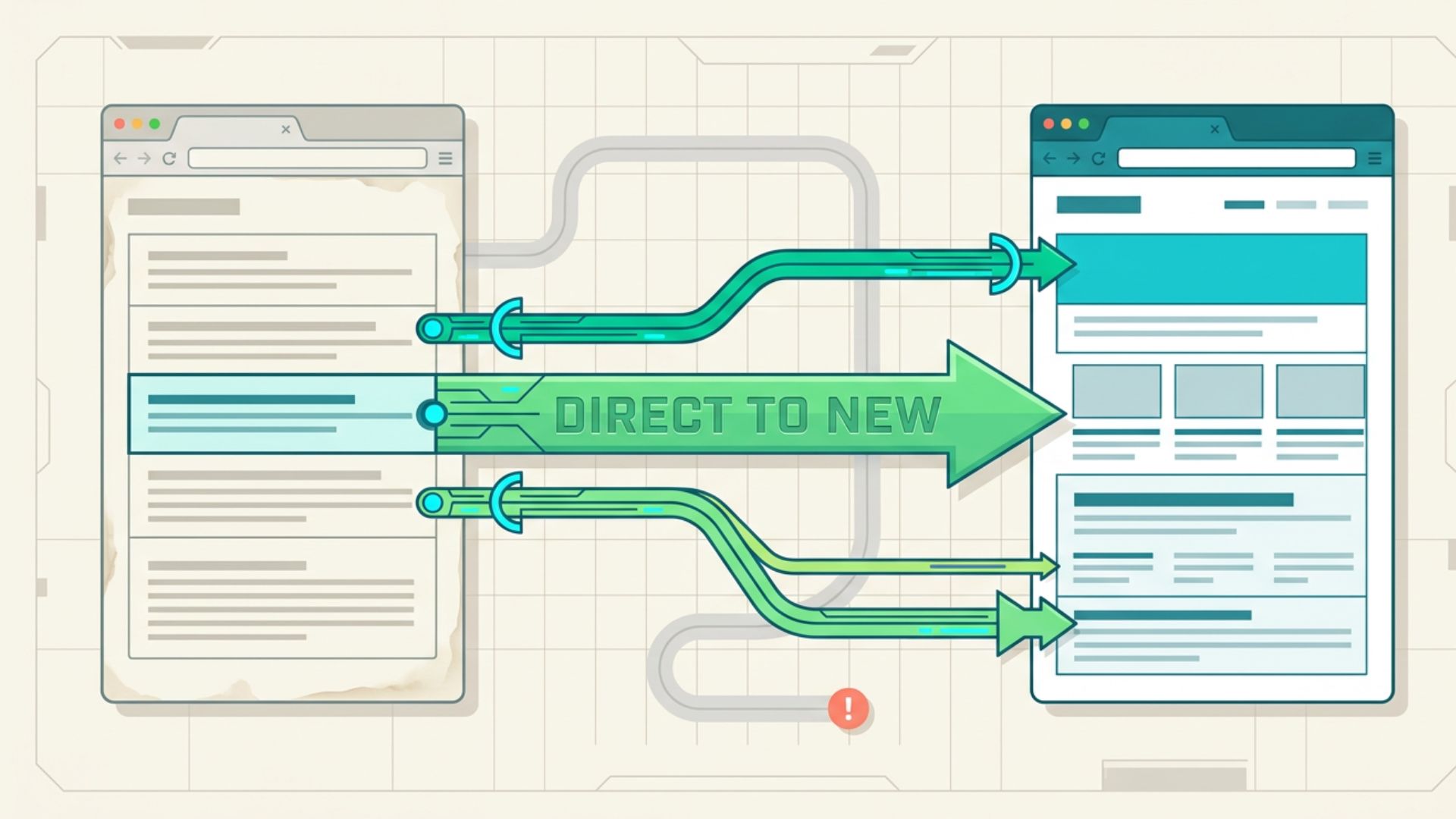
Redirect management also matters. Valuable pages that have been removed should lead to the closest relevant resource. Sending every outdated URL to the homepage weakens topical alignment and creates a poor experience for visitors.
Use Competitor Link Gaps and Relationship-Based Tactics
Identify Valuable Competitor Link Gaps
Competitor backlink analysis can reveal websites already willing to link to content within your niche. Link gap tools highlight domains that link to competing websites but not to yours.
The goal is not to copy every competitor backlink. Review which pages earned links, why publishers referenced them, and whether your website can offer a stronger resource. A competitor may attract links through a glossary, an annual report, a free tool, an expert interview, or a detailed tutorial. These patterns can inspire a more useful asset with a distinct angle.
Build Links Through Genuine Relationships
Relationship-based link building can expand these opportunities. Contributing expert insights, joining industry discussions, participating in interviews, and working with relevant organizations can lead to natural mentions. Guest articles can also earn valuable backlinks when the content provides real expertise and appears on a reputable website.
Partnerships should make sense for both audiences. Suppliers, professional associations, software platforms, local organizations, and complementary businesses may offer legitimate opportunities for resource pages, case studies, interviews, or joint research.
Avoid Manipulative Link-Building Tactics
Avoid paid link networks, automated placements, private blog networks, and unrelated link exchanges. These tactics may quickly increase backlink counts, but they rarely generate meaningful referral traffic or lasting authority.
Prioritize relevant websites, valuable content, and genuine industry connections. These methods require more effort but are more likely to produce trustworthy backlinks that support long-term SEO performance.
Final Thoughts from pagewoo.com
Advanced link building works best when every backlink is earned through relevance, usefulness, and editorial trust. Original resources, targeted outreach, digital PR, link reclamation, competitor research, and industry relationships create stronger results than campaigns focused only on link volume.
PageWoo.com helps businesses evaluate backlink opportunities, develop valuable SEO content, and build link acquisition plans based on measurable search goals. Its approach connects technical analysis with practical content strategy, helping websites pursue authoritative links that strengthen rankings, referral traffic, and online credibility.