An expired domain can offer valuable assets, such as a recognizable name, established backlinks, or relevant traffic. However, those signals alone do not determine whether it is worth buying. Its history, link profile, reputation, and relevance to your plans can all affect its actual value and potential risks. A proper evaluation helps separate worthwhile opportunities from properties with hidden problems. This guide explains what to check before buying an expired domain to help you make a more informed decision.
What Is an Expired Domain and Why Does Its Past Matter?
An expired domain is a previously registered name whose owner did not renew it. Depending on where it is in the expiration and deletion process, it may eventually become available for registration or purchase through an auction or aftermarket platform.
Its previous use can leave behind assets and associations, such as backlinks, historical records, brand recognition, or residual traffic. These can create value, but they can also carry risks from past spam, abuse, or an unrelated history. That is why an expired domain should be assessed based on what remains from its previous life before deciding whether it is worth pursuing.
Define What You Want From the Expired Domain
Before reviewing backlinks, authority metrics, or traffic data, clarify why you are considering the purchase. Its potential value may come from a recognizable name, relevant backlinks, residual traffic, brand recognition, or a history connected to a particular topic.
Your intended use should guide the evaluation. A site with an established history in one industry may be a better fit for a related project than an unrelated one. Knowing what you expect to gain gives you a clear basis for deciding which signals matter and whether the opportunity is worth pursuing.
Check the Domain’s History and Previous Use
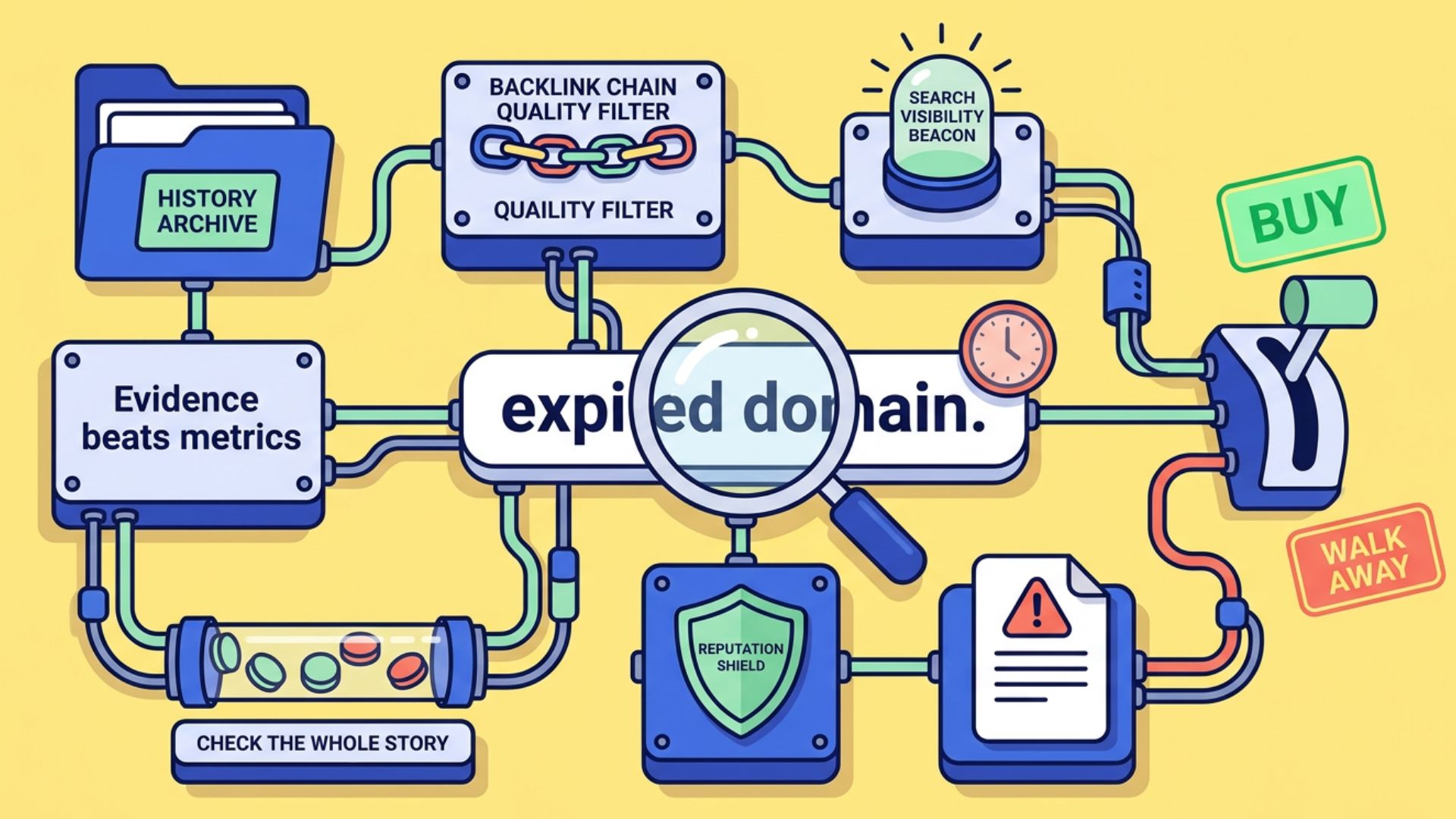
A domain’s history can reveal whether it was previously used for a legitimate website or repeatedly repurposed for low-quality or suspicious content. Review archived versions to see what it hosted, how its purpose changed over time, and whether its previous topic is relevant to your planned use.
Look for major shifts in content, repeated changes in purpose, spam-heavy pages, or suspicious redirects. One unusual period does not automatically render a domain unusable, but serious or repeated abuse can indicate risks worth investigating before moving forward.
Audit the Backlink Profile
A backlink profile can be one of an expired domain’s most valuable assets, but the number of links alone says little about their quality. Review which websites link to it, whether those sources are legitimate and relevant, and whether the links appear to have been earned naturally rather than created solely for SEO purposes.
Also examine the anchor text and manually check important links to confirm they are still live. A smaller number of genuine, relevant links can be more valuable than a large profile dominated by low-quality or suspicious sources.
Review Authority, Search Visibility, and Traffic
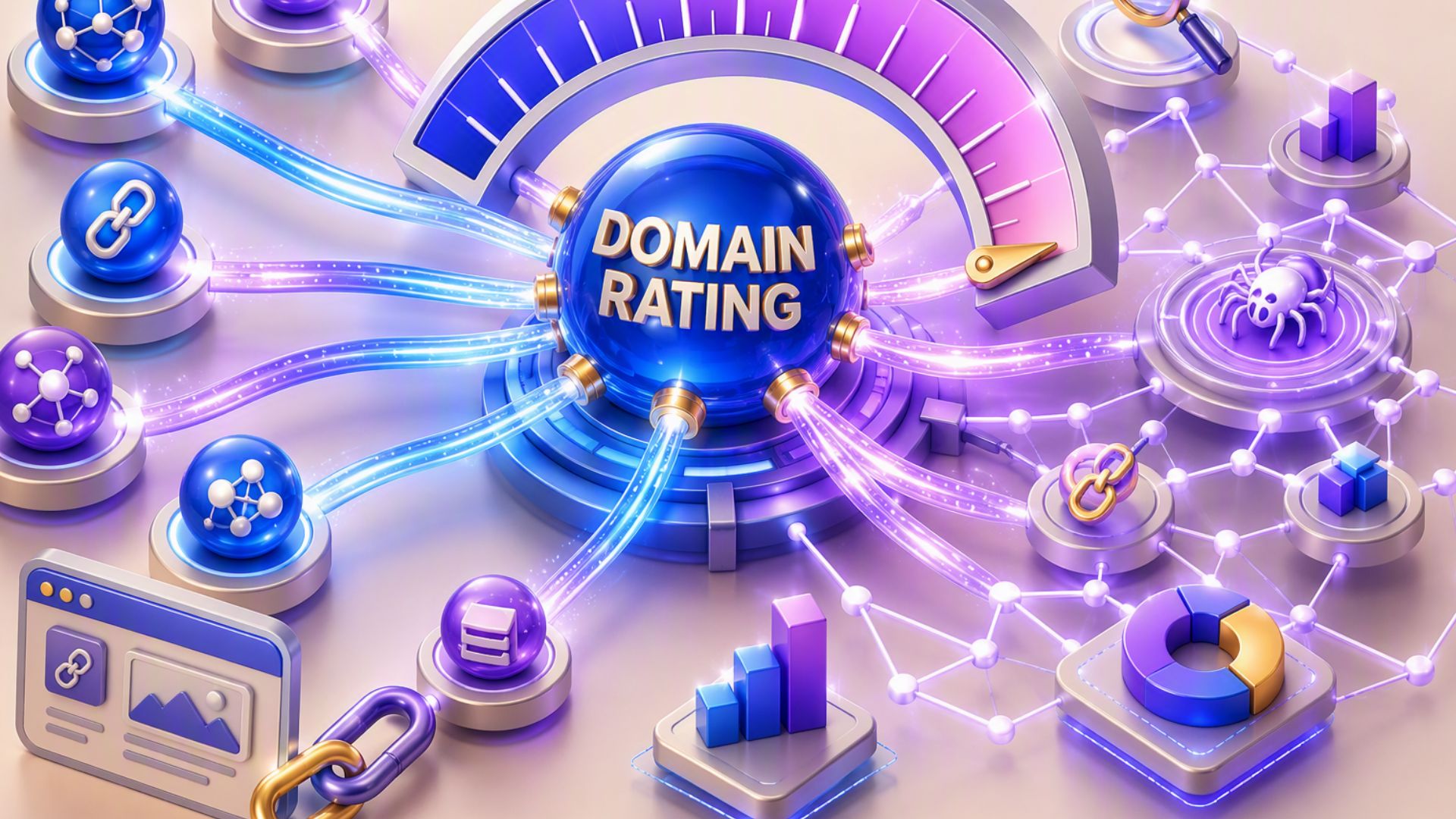
Authority metrics, search visibility, and traffic data can provide useful context, but none should determine the decision on its own. Scores such as Domain Rating or Domain Authority are third-party metrics, not direct measures of a site’s quality or future search performance. Use them to identify patterns and support your broader evaluation rather than as proof that a domain is valuable.
Also review whether it has a visible presence in search results and examine available traffic trends and sources. Look for consistent, relevant traffic rather than relying on a single estimate or a temporary spike. Together, these signals can help you understand what value may remain and whether it supports your intended use.
Look for Spam, Reputation, and Legal Red Flags
A strong backlink profile or high authority score does not rule out other risks. Check whether the domain has been associated with spam, phishing, malware, or other abusive activity that could affect its reputation or create problems for a future website.
Also investigate potential trademark or brand conflicts before buying. Search the name and its previous use to identify possible legal issues, customer confusion, or negative associations that could outweigh its remaining value.
Decide Whether the Domain Is Worth the Price
A clean history and strong backlink profile do not automatically justify the asking price. Consider the actual value of its remaining assets, including relevant backlinks, meaningful traffic, brand recognition, and its fit for your intended use.
Also account for the work and ongoing costs involved in developing and maintaining the site, as well as any risks identified during your review. Compare these factors with the purchase price and available alternatives to determine whether the opportunity offers enough value to justify the investment.
Make the Final Decision
After reviewing the evidence, place the opportunity into one of three categories: buy, investigate further, or walk away. A purchase may make sense when the history is generally legitimate, the backlinks offer genuine value, there are no major legal or reputation concerns, and the price is justified.
Investigate further when the information is incomplete, or the signals are mixed. Walk away when there is clear evidence of serious spam or abuse, manipulated links, significant legal risks, or a price that exceeds the realistic value of what remains.
Conclusion
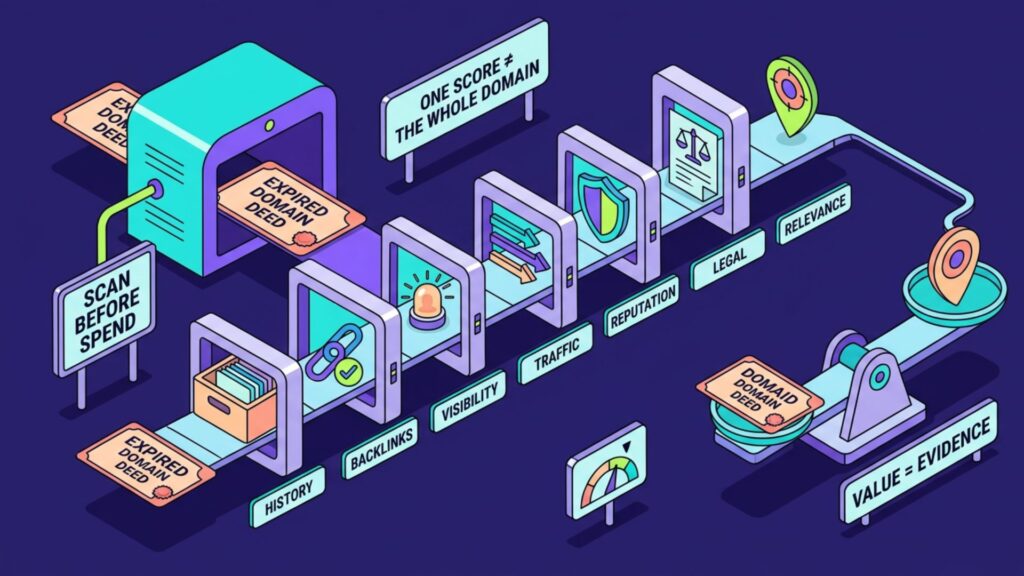
Evaluating an expired domain requires more than checking a high authority score or a large number of backlinks. Its history, link profile, search visibility, traffic, reputation, legal risks, and relevance to your intended use all help determine what value, if any, remains.
Review the complete picture before making a decision. A careful evaluation can help you identify worthwhile opportunities, avoid hidden problems, and determine whether the potential value justifies the price.