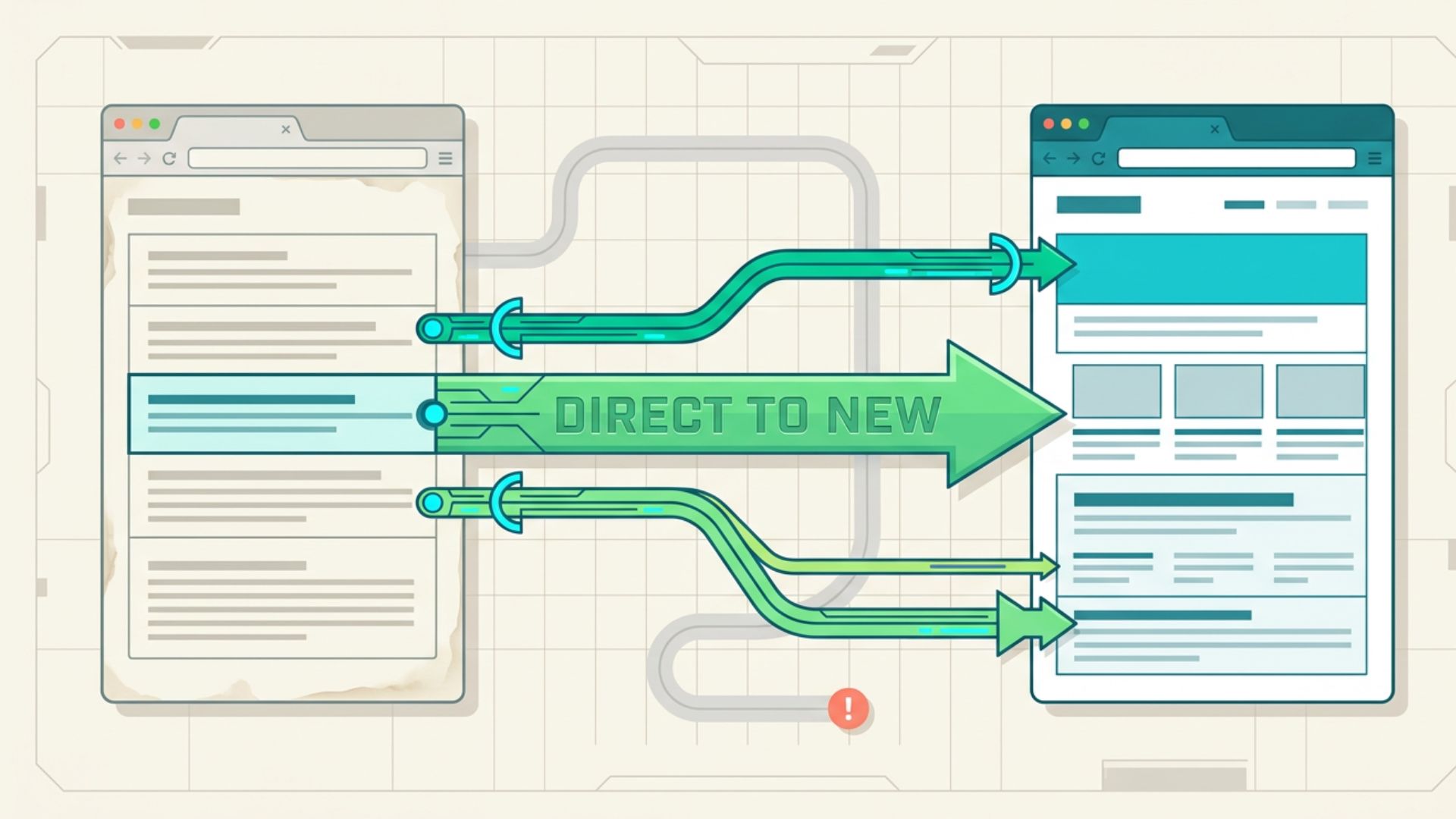

When a domain reaches its expiration date, the consequences can extend beyond the loss of control of the name. Your website, email, and other connected services may eventually be affected, while the process of getting it back can become more complicated and costly over time. However, expiration does not always mean immediate loss. Depending on the registrar and domain extension, you may still have an opportunity to renew or recover it before someone else can acquire it. Understanding what happens at each stage can help you act before your options run out.
A Typical Domain Expiration Timeline
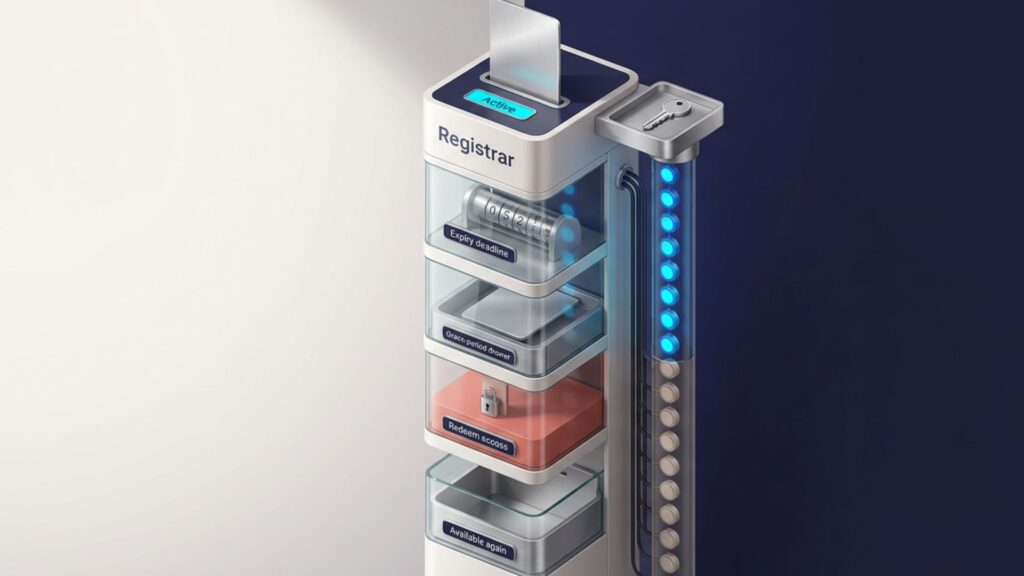
An expired domain does not usually become available for immediate registration. What happens next depends on the registrar, the domain extension, and the provider’s expiration policies. In many cases, the original registrant still has time to renew it. If that opportunity is missed, the registration may be deleted, enter a redemption period, move to Pending Delete, and eventually become available again.
A typical process may look like this:
Expiration → Possible Renewal Window → Possible Auction or Deletion → Redemption → Pending Delete → Possible Re-Registration
The exact stages and timing can vary. Some registrars may also auction eligible expired names before they are released for public registration.
What Happens Right After a Domain Expires?
When the expiration date passes, the registration does not automatically become available for someone else to register. In many cases, the original owner can still renew it through their registrar. The length of this post-expiration window varies by registrar and domain extension.
During this period, the registrar may begin changing how the registration is handled. Services connected to the name may also be affected, and the name may eventually be deleted or, in some cases, offered through an expired-domain auction. Acting quickly is important because available renewal and recovery options become more limited over time.
What Happens to Your Website, Email, and Other Services?
An expired registration can affect more than your website. Email addresses, subdomains, and other services that rely on the name may also stop working if its DNS is suspended or changed. The exact timing varies by registrar, so these services may continue working temporarily after the expiration date or become unavailable soon afterwards.
This can create serious problems for businesses that rely on the name for customer communication, online transactions, account access, or connected applications. For that reason, it is best to renew an expired registration as soon as possible to avoid service interruptions.
What Happens If You Miss the Renewal Window?
If you do not renew the registration within the available post-expiration period, the registrar may take further action in accordance with its policies and the rules for that TLD. This can include deleting the registration or, for eligible names, placing it in an expired-domain auction. The exact process and timing vary, so a missed renewal deadline does not always lead directly to the same next stage.
If the registration is deleted, it may enter a redemption period for TLDs that support this process. At that point, recovering it is no longer a standard renewal and may involve additional steps and fees. Waiting longer can also increase the risk of permanently losing the name.
Can You Recover a Domain During the Redemption Period?
In some cases, yes. If a registration is deleted after the available renewal window ends, it may enter a Redemption Grace Period, depending on the TLD and registry rules. During this stage, the former registrant may still be able to recover the name through the sponsoring registrar.
Recovery during redemption is different from a standard renewal. The registrar typically needs to restore the registration, and additional restoration fees may apply. For applicable gTLDs, the Redemption Grace Period is generally 30 days after deletion, but not all TLDs follow the same process. If you want to recover an expired name, contact your registrar as soon as possible to confirm whether restoration is still available and what it will cost.
What Does Pending Delete Mean?
Pending Delete is typically the final stage before an eligible expired domain is permanently deleted from the registry. Once a name enters this status, the former registrant generally can no longer renew or restore it.
For many gTLDs that follow the standard registry lifecycle, Pending Delete lasts five days. After that, the registration is deleted and may become available for registration again. However, the exact process can vary by TLD, and the name may be registered quickly by another party once it is released.
If a domain has reached Pending Delete, waiting is no longer an option for recovering it. The best approach is to monitor its status if you hope to register it again after deletion.
What Should You Do If Your Domain Has Already Expired?
If your domain has already expired, act quickly. Your available options depend on its current status and your registrar’s policies.
- Check its current status: Log in to your registrar account to see whether the name is still eligible for renewal, in redemption, pending deletion, or subject to another expiration process.
- Renew it as soon as possible: If a standard renewal is still available, do so immediately. This is usually the simplest and least expensive way to keep the registration.
- Ask about restoration options: If the name has entered a redemption period, contact your registrar to find out whether it can still be restored and whether additional fees apply.
- Confirm important deadlines: Ask your registrar when the current recovery period ends, as timelines vary by registrar and TLD.
- Restore affected services: Once the registration is active again, check your website, email, DNS settings, and other connected services to ensure they are working properly.
Conclusion
An expired domain is not always lost immediately, but the longer you wait, the fewer options you may have to recover it. Depending on the registrar and TLD, you may still be able to renew the registration, restore it during a redemption period, or have it permanently deleted once the available recovery stages end.
The best approach is to act as soon as possible after an expiration date passes. To avoid the problem in the future, enable auto-renewal, keep your payment and contact details up to date, and pay attention to renewal notices from your registrar. These simple steps can help protect your website, email, and other services associated with your name.